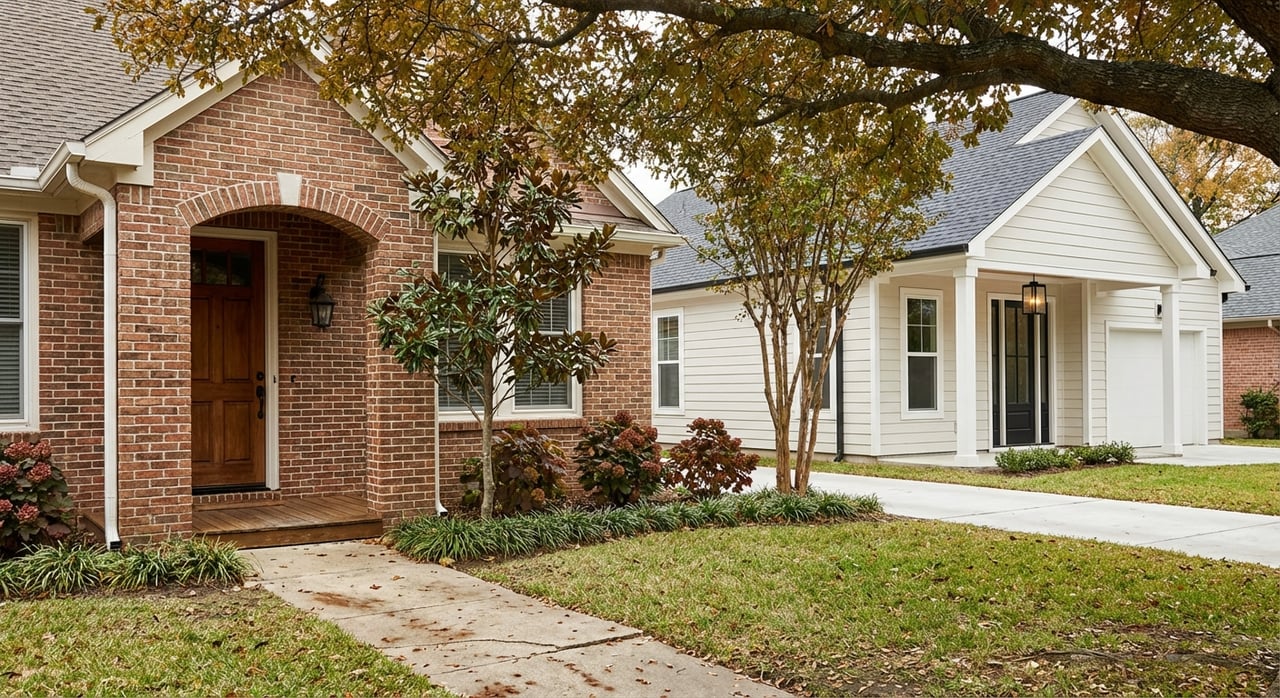
Should you go for the freshness of a brand‑new build or the charm and value of a lived‑in home? If you are shopping in Jonesboro and greater Clayton County, you have both options on the table — and each can be a smart move depending on your timeline, budget, and priorities. In this guide, you will see how new construction and resale homes compare on price, maintenance, warranties, HOA rules, inspections, financing, and local taxes so you can decide with confidence. Let’s dive in.
Jonesboro market snapshot
Jonesboro sits in a mid‑price corridor of metro Atlanta with active new‑home building. Public data sources often report different medians depending on method and date. For context, recent snapshots show Jonesboro medians ranging from roughly the low $190s to mid $260s depending on the data feed and month. Clayton County’s broader housing stock shows a median owner‑occupied value near $194,500 based on the 2019–2023 American Community Survey, and the county reported 930 building permits issued in 2024, a signal that new construction is moving at scale countywide. You can review county‑level figures on U.S. Census QuickFacts for Clayton County.
What this means for you: you can usually find both quick‑move‑in new homes and traditional resale options in and around Jonesboro. The right choice depends on how you weigh upfront cost, timeline, maintenance, and location.
New construction: benefits and tradeoffs
New homes deliver a clean slate and modern systems. Here are the key upsides and the common tradeoffs to consider in Jonesboro.
Upsides
- Lower early maintenance because major systems and appliances are new.
- Builder warranties that cover workmanship, systems, and structure for set periods.
- Energy‑efficient construction that can trim utility costs compared to older homes. Many certified new homes are designed to use significantly less energy. See the EPA’s overview of local residential energy efficiency.
- Personalization through design selections, plus possible builder incentives such as closing‑cost help, rate buydowns, or upgrade credits.
Tradeoffs
- A potential price premium over comparable resale homes. The size of any premium varies by product type, lot, and community phase.
- Timeline risk if you are building from the ground up. Weather, inspections, and supply chains can shift delivery windows.
- HOAs are common in newer subdivisions, which adds monthly fees and community rules to review.
- Landscaping and neighborhood “maturity” can take time to develop in a newer community.
Resale homes: benefits and tradeoffs
Resale properties can offer speed and setting. Here is how they typically compare.
Upsides
- Faster move‑in if the home is vacant or seller timing is flexible.
- More negotiation points on price, repairs, and terms.
- Established neighborhoods with mature trees and settled surroundings.
- A wider range of locations and home styles at or below the city median.
Tradeoffs
- Older systems may bring higher near‑term repair costs. Industry guidance often suggests budgeting roughly 1 to 4 percent of the home’s value per year for maintenance, depending on age and condition. See this overview of average home maintenance costs.
- Energy performance can lag newer builds unless the home has been updated.
- No builder warranty, so your inspector’s findings and any negotiated repairs carry more weight.
Price, incentives, and negotiation
Price is more than sticker cost. Focus on net value and flexibility.
- New construction often lists higher than resale, but builders may balance this with incentives. Common offers include closing‑cost help, design‑center credits, and mortgage buydowns. Always verify current offers and compare them to independent lender quotes. This explainer on builder incentives and how they work will help you understand the moving pieces.
- On resale, you can often negotiate on price, repairs, and timelines. Builders are typically less flexible on base price but may trade upgrades or concessions, especially on quick‑move‑in inventory. A buyer’s agent who is experienced with local builders can manage these conversations and review contract terms that differ from standard resale forms. Learn why specialized representation matters when buying new in this guide to working with an agent on new construction.
Warranties and service on new homes
Most production builders follow a “1‑2‑10” pattern: one year for workmanship items, two years for systems like electrical, plumbing, and HVAC, and ten years for major structural defects. These warranties are often supported by a third‑party administrator. Review what a typical 1‑2‑10 builder warranty covers and pay attention to exclusions, start dates, and claim procedures.
Practical tips:
- Ask for the full warranty booklet before you sign.
- Confirm whether the warranty is transferable.
- Clarify how to submit claims and expected response times.
- Keep a running list of items to address during the first year.
HOA rules and community costs
Many newer subdivisions in Clayton County include HOAs or property owners’ associations with monthly or annual dues. Before you commit, request and review the full disclosure packet: CC&Rs, current budget, reserve study, and any upcoming special assessments. In Georgia, the Property Owners’ Association Act and Condominium Act create frameworks that may apply to your community. Get familiar with the basics using this overview of Georgia association laws and resources, and consult your agent or an attorney if you need help interpreting documents.
Key items to verify:
- Dues, what they cover, and how often they can increase.
- Rules that affect parking, exterior changes, short‑term rentals, or pets.
- The health of reserves and any planned capital projects.
- Move‑in or construction guidelines if you are closing on a new build.
Timelines and inspections for new builds
Production homes commonly complete in about 6 to 12 months from contract. Quick‑move‑in inventory can close faster, while semi‑custom paths may take longer. Because municipal inspections confirm code compliance but are not exhaustive, it is smart to add private, phased inspections:
- Pre‑drywall inspection to check framing, rough plumbing, wiring, and HVAC layout.
- Final inspection before closing to address fit‑and‑finish.
- An 11‑month warranty inspection to capture items before the workmanship coverage window closes.
The American Society of Home Inspectors explains why specialized new‑construction inspections are valuable. Schedule these early, and make sure your contract allows access for your inspector.
Financing differences and appraisal risks
If you are purchasing a completed new home, a standard mortgage usually applies. If you are building from the ground up, you may need a construction loan or a construction‑to‑permanent product. These loans are structured and disclosed differently under federal rules, so ask lenders to explain how interest, draws, and closing work on their product. The FDIC’s TILA/TRID manual outlines options for construction‑to‑permanent loan disclosures.
Two common watch‑outs:
- Appraisal and upgrades. Design‑center selections increase your contract price, but the appraisal may not support every dollar spent. Plan for a possible appraisal gap.
- Preferred lender incentives. Builders may offer strong credits when you use their lender. Compare the net effect against an independent lender using a same‑day quote, and confirm whether any incentive is tied to a higher interest rate or fees. See practical tips on negotiating builder and lender terms in this guide to buying new construction with an agent.
Property taxes on new construction in Clayton County
In Georgia, the assessed value is generally set at 40 percent of fair market value and then multiplied by the millage rate to determine your bill. Multiple layers can apply, including county, school, city, and fire district. New construction can increase your assessed value after completion, so plan your escrow accordingly and apply for any eligible homestead exemptions. For an overview of local tax components, visit Invest Clayton’s page on incentives and taxes.
Checklist for taxes:
- Ask your agent and closing attorney how the county will handle proration on a new build.
- Confirm homestead exemption deadlines and documentation.
- Review the county’s assessment notice when it arrives and know the appeal window.
A simple decision framework
Use this quick process to choose with clarity:
- Prioritize what matters most.
- Must‑haves: commute, lot type, bedroom count, and monthly payment target.
- Nice‑to‑haves: customization options, green features, or community amenities.
- Compare 5‑ to 10‑year cost of ownership.
- Add mortgage, HOA dues, utilities, taxes, and likely maintenance. For resale, budget that 1 to 4 percent annual maintenance range depending on age and condition. Use your inspection report to refine the estimate. See background on average maintenance costs.
- Confirm timeline and contingencies.
- If you have a must‑move date, weigh quick‑move‑in new homes or flexible resale closings.
- If you are building, plan for possible delays and consider temporary housing options.
- Protect your interests.
- Hire a buyer’s agent with local builder experience to negotiate terms and track milestones.
- Get phased private inspections on any new build and keep copies of municipal inspection results.
- Request the full builder warranty booklet and HOA disclosures before you sign.
- Compare at least two lender quotes on the same day, including any builder‑preferred offer.
Which is right for you in Jonesboro?
Choose a new construction home if you want:
- Lower early maintenance, modern layouts, and energy efficiency.
- The chance to personalize finishes and benefit from builder incentives.
- A longer timeline that you can manage with clear milestones and inspections.
Choose a resale home if you want:
- A quicker move‑in and more flexibility on price and terms.
- An established neighborhood setting and possibly a larger or more mature lot.
- A broader range of locations and styles relative to your budget.
Either path can work in Jonesboro. The best choice lines up with your timeline, monthly budget, and comfort with construction logistics. If you want help weighing specific communities, floor plans, or resale comps, reach out for a local, side‑by‑side analysis tailored to your goals.
Ready to compare real options in Jonesboro? Connect with Tiffany Biggins for hands‑on guidance, builder‑liaison support, and a clear plan from offer to closing.
FAQs
What is the current price difference between new and resale homes in Jonesboro, GA?
- It varies by source and timing, but recent public snapshots for Jonesboro range from the low $190s to mid $260s for citywide medians; new builds often carry a premium, sometimes balanced by builder incentives.
How long does a new construction home take to build in Clayton County?
- Many production homes finish in about 6 to 12 months, while quick‑move‑in inventory can close sooner and semi‑custom paths may take longer.
Do I still need a home inspection on a brand‑new house?
- Yes — schedule phased inspections (pre‑drywall, final, and an 11‑month warranty check) in addition to municipal inspections to protect your investment.
How do HOA rules typically affect buyers in newer Jonesboro communities?
- Expect monthly or annual dues and community rules; review the CC&Rs, budget, reserves, and any planned assessments before you sign so there are no surprises.
How do property taxes work on new construction in Jonesboro, GA?
- Georgia generally assesses at 40 percent of market value and applies local millage rates; new construction can raise your assessment after completion, so plan for escrow changes and file homestead exemptions if eligible.
Should I use a builder’s preferred lender when buying new construction?
- Consider the incentive, but always compare a same‑day quote from an independent lender to confirm the net benefit after rate, points, and fees.