Thinking about relocating to Stockbridge, GA? You are not alone. Many buyers look here for a practical mix of space, price range, and access to major commute routes in the south Atlanta metro. If you want a clear plan before you start touring homes, this guide will help you understand what to expect and how to narrow your search with confidence. Let’s dive in.
Why Stockbridge draws relocating buyers
Stockbridge sits in Henry County in the southeast part of metro Atlanta, and its appeal often comes down to three things: commute access, housing variety, and relative value. For many relocating buyers, the decision is less about picking a city name and more about choosing the right corridor, home type, and budget.
That matters because Stockbridge is shaped by highway access and nearby job centers. The local economy in Henry County is anchored by healthcare, logistics, manufacturing, distribution, retail, and utilities, which gives many buyers several job-related reasons to consider the area.
Piedmont Henry Hospital also gives the city a visible healthcare anchor. It is a 259-bed not-for-profit acute care community hospital serving Henry County and nearby communities.
Start with your commute plan
If you are moving from out of town, your daily drive should be one of the first things you map out. In Stockbridge, commute patterns are closely tied to I-75 and I-675.
Henry County transportation planning highlights projects such as SR 42 widening from SR 138/Stockbridge to I-675, I-75 express lanes expansion from Locust Grove to I-675, and Patrick Henry Parkway widening. That means the road network is central to life here, but it can also be sensitive to ongoing corridor work.
Key routes to know
For many buyers, these are the main transportation factors to watch:
- I-75 for north-south travel through Henry County
- I-675 for access toward other parts of metro Atlanta
- SR 42 and SR 138 as important local connectors
- Patrick Henry Parkway as an area corridor with planned improvements
Before you choose a home, it helps to test your likely route at the times you expect to travel. A home that looks ideal on paper may feel very different once you factor in your day-to-day drive.
Commute options beyond driving
Stockbridge is not only a driving market. Xpress commuter service connects the area with Downtown and Midtown Atlanta through Route 430 and Route 432.
That can be helpful if you want southside housing value but work in central Atlanta. Still, buyers should verify the latest stop list before relying on a park-and-ride, because the Highway 138 Stockbridge Park-and-Ride is noted as permanently closing beginning June 16, 2025.
What kind of homes you will find
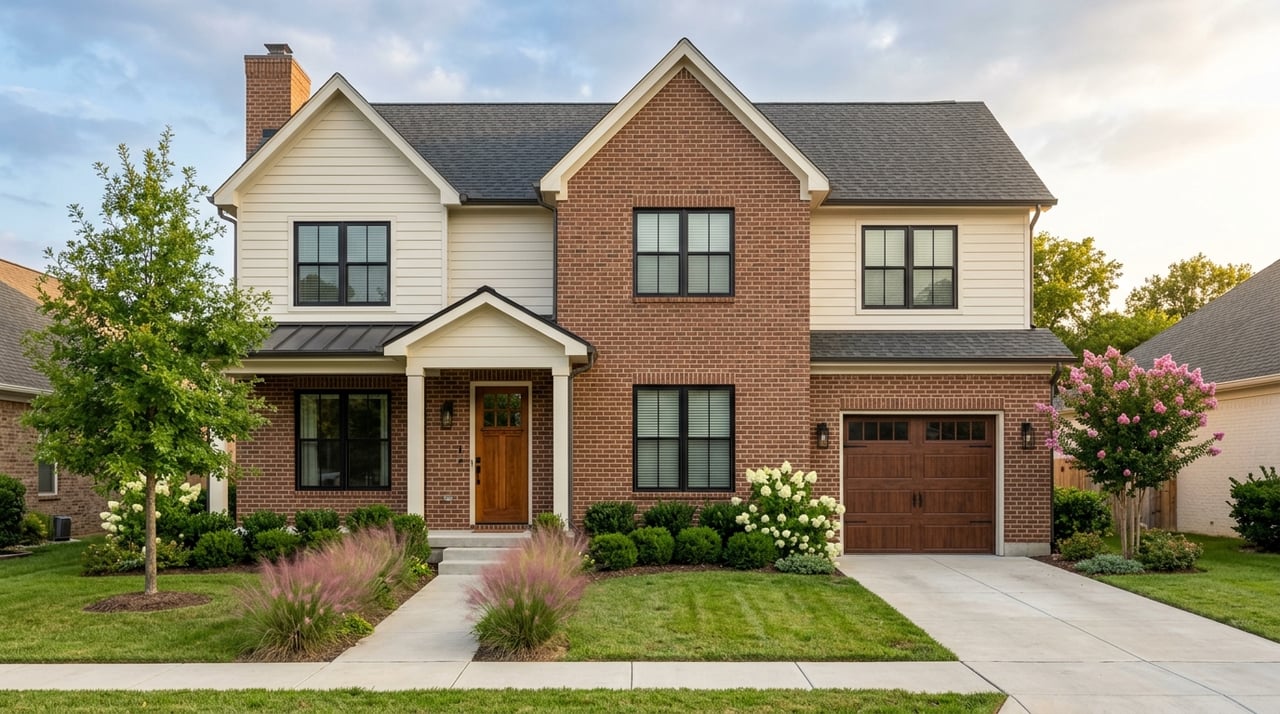
Stockbridge offers a mix of established neighborhoods and newer housing supply. According to the city’s comprehensive plan, single-family homes remain the dominant housing type at 58%.
At the same time, the city has seen growth in renter-occupied housing and a decline in vacancy from 13% in 2010 to 5% in 2020. The plan also notes additional projects approved or under construction after 2020, which supports the idea that buyers can find both older resale options and newer homes entering the market.
Common housing choices
When relocating to Stockbridge, you will usually be choosing among three broad paths:
- Detached resale homes in established subdivisions
- Newer townhomes and attached housing
- Builder-backed single-family homes in newer communities
Current inventory reflects that variety. Recent listing snapshots showed 270 single-family homes for sale, 53 townhomes, and 5 condo or apartment-for-sale listings.
That mix is especially useful for buyers who want options. You may be able to compare resale homes in one price band with newer attached homes or builder inventory in another, instead of being locked into one type of housing.
What prices look like in Stockbridge
One reason relocating buyers look at Stockbridge is price positioning. Recent market snapshots place the city broadly in the high-$200,000s to low-$300,000s overall.
Zillow reported an average home value of $289,873, a median sale price of $277,067, and a median list price of $301,450. Redfin’s March 2026 snapshot reported a median sale price of $286,495.
That does not mean every home falls neatly into one range. Detached resale listings have appeared from roughly the $190,000s into the $300,000s, while some townhome and condo-style attached listings are new construction in the low-to-mid $300,000s, with some higher-end attached homes approaching the upper $400,000s.
A simple way to budget your search
If you are planning a move, it helps to separate your search by lifestyle as much as by price:
- Under about $300,000: often where resale detached homes get the most attention
- Low-to-mid $300,000s: often where newer townhomes and some newer homes appear
- Higher price bands: may include larger homes, newer builds, or more upgraded attached options
This kind of framework can help you avoid comparing homes that serve very different needs. It also helps you decide early whether your priority is square footage, newer finishes, or commute convenience.
Is Stockbridge a buyer’s market?
The honest answer is that the market looks mixed. Some recent data described Stockbridge as a buyer’s market, while another source called it somewhat competitive.
The practical takeaway is simple: your leverage may depend on the specific home. Price point, condition, and whether the home is a resale or builder inventory property can all affect how much room you have to negotiate.
Days on market also suggest buyers usually have some planning time, but not unlimited time. Zillow noted homes going pending in about 68 days, while Redfin reported a median of 89 days on market.
What that means for your move
For many out-of-town buyers, this timing is helpful. You may have enough time to:
- Organize lender documents
- Tour homes virtually first
- Narrow to a short list
- Schedule inspections
- Plan one focused in-person trip for finalists
That said, well-priced homes in strong condition can still move faster. A solid relocation plan keeps you ready when the right property shows up.
How to build a smart relocation plan
If you want to make your search easier, start in this order.
1. Pick your commute corridor first
In Stockbridge, commute routes shape daily life. Before you fall in love with a home online, decide whether your routine works best around I-75, I-675, or a specific local connector.
This first step can quickly narrow your options and save time. It also helps you compare neighborhoods and subdivisions more realistically.
2. Choose your home type
Once the corridor is clear, decide what kind of property best fits your goals. Are you looking for an established detached home, a newer townhome, or a builder-backed single-family property?
This matters because Stockbridge has active inventory across all three categories. Your best match may depend on how you balance maintenance, layout, and move-in readiness.
3. Set a realistic budget band
Use current median pricing as a guide, but keep room for taxes, insurance, closing costs, and any repairs or upgrades. If you are comparing resale with new construction, remember that the base price is only part of the full picture.
A clear budget helps you make faster decisions. It also keeps your home search centered on homes you can pursue comfortably.
4. Plan your tour strategy
Because market timing is measured in weeks, many relocating buyers can start with virtual tours and a short list. Then, once finalists are identified, you can plan a single in-person visit more efficiently.
This approach works especially well if you are balancing a current job, another home, or a long-distance move.
Why new construction may stand out
Stockbridge’s mix of approved projects, newer housing activity, and attached-home inventory means new construction may be part of your search even if you started out thinking only about resale. For some buyers, that can mean modern layouts, builder inventory, and a more predictable move-in timeline.
It can also mean different negotiation points than you would see with a traditional resale. Builder timelines, available inventory, and included features can all shape the final value.
If new construction is on your list, having experienced guidance can make the process feel much more manageable. That is especially true when you are relocating and cannot be on site every step of the way.
Final thoughts on moving to Stockbridge
Stockbridge can make sense if you want a practical entry point into the south Atlanta metro with access to major roads, a mostly single-family housing base, and a market that still offers meaningful variety. It is a location where commute planning, home type, and price band often matter more than broad assumptions about the city itself.
If you take the time to define your route, budget, and housing priorities early, your move can feel much more organized. And when you are relocating from outside the area, that kind of clarity is often what turns a stressful search into a confident one.
If you are getting ready to move and want local guidance on resale homes or new construction in Stockbridge, Tiffany Biggins can help you build a focused home search plan that fits your timeline and goals.
FAQs
Is Stockbridge, GA mostly single-family housing?
- Yes. Stockbridge’s comprehensive plan says single-family homes remain the dominant housing type at 58%, though attached housing options have grown.
Are there commuter options from Stockbridge to Atlanta?
- Yes. Xpress serves the Stockbridge area with routes to Downtown and Midtown Atlanta, but you should verify the current stop and park-and-ride details before making plans.
What is the typical home price range in Stockbridge, GA?
- Recent market snapshots place Stockbridge broadly in the high-$200,000s to low-$300,000s overall, with some resale homes below that range and some newer attached homes priced higher.
Is the Stockbridge, GA housing market competitive for buyers?
- It appears mixed. Recent market reports have described the market both as a buyer’s market and as somewhat competitive, so pricing and negotiation often depend on the individual property.
What industries support housing demand in Henry County?
- Henry County’s employer base includes healthcare, logistics, manufacturing, distribution, retail, utilities, and consumer-goods operations, with major employers spread across those sectors.