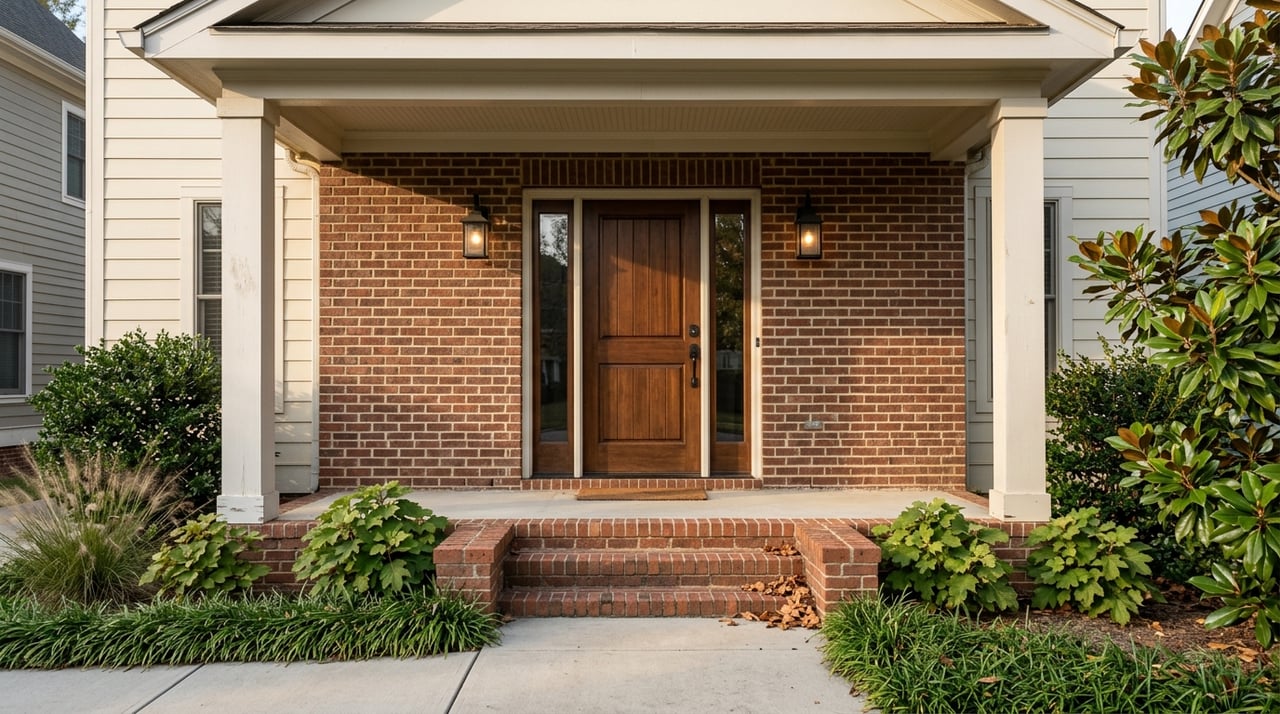
Choosing between a classic bungalow and a newer home in Decatur can feel harder than it looks. One property may offer a deep front porch and early-1900s charm, while another gives you a more modern layout and fewer near-term projects. If you are trying to balance character, convenience, and peace of mind, this guide will help you compare your options in a way that fits how you actually want to live. Let’s dive in.
Why this choice matters in Decatur
Decatur is not a one-note housing market. The city was incorporated in 1823, and much of it was built out during the 1920s, which helps explain why Craftsman bungalows and other early homes are still part of the local streetscape today. At the same time, Decatur continues to add housing through in-fill development, attached homes, and renovation projects rather than large new subdivisions.
That mix gives you real options, but it also means you need to look closely at what each home type asks of you. A bungalow, townhome, or newer in-fill home can all fit in the same compact market, yet each supports a different lifestyle, maintenance plan, and budget strategy.
Decatur’s housing mix at a glance
A 2023 ACS-based profile shows how varied the local inventory is. About 21.4% of housing in Decatur was built before 1940. The city’s housing stock also includes 48.1% single-family detached homes, 9.1% single-family attached homes, and 27.7% homes in buildings with 20 or more units.
This matters because your search is not just about old versus new. In Decatur, you may be choosing between a historic bungalow, a cottage, a townhome, a missing-middle product, or a newer in-fill build in a market with limited inventory and strong demand.
When a Decatur bungalow makes sense
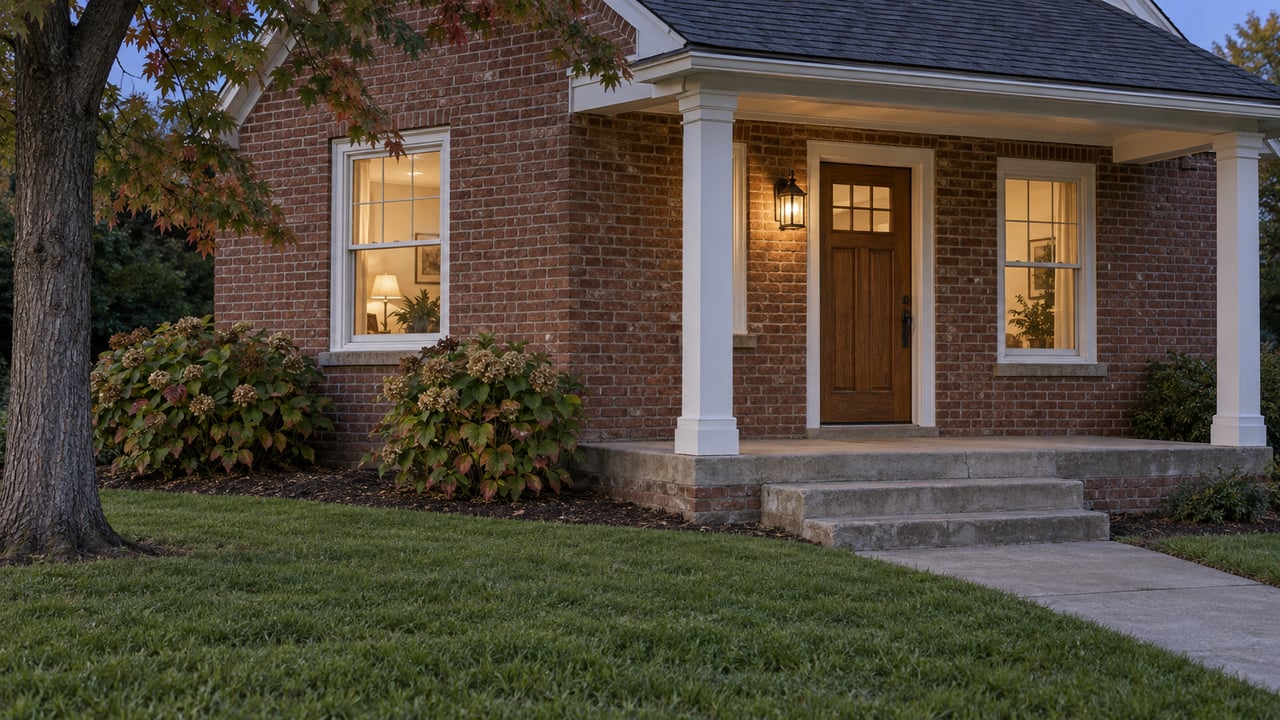
If you light up when you see original details, front porches, and older walkable streets, a bungalow may be the right fit. Decatur’s historic materials tie some of its oldest residential development to areas like the Sycamore Street corridor, and Old Decatur remains the city’s oldest surviving residential neighborhood.
The appeal is usually easy to understand. Many of these homes sit along tree-lined sidewalks with consistent setbacks and a pedestrian-friendly feel. You are often buying into an established street pattern and architecture that feels distinct from newer construction.
What buyers often love about bungalows
- Architectural character
- Porch-centered living
- Mature streetscapes
- Established neighborhood patterns
- A strong sense of place in older parts of the city
For many buyers, that character is the whole point. If your dream home includes craftsmanship and a setting that feels rooted in Decatur’s history, a bungalow can deliver that better than a newer build.
The tradeoff: upkeep and review rules
Older homes usually come with more maintenance questions. Systems, materials, and past renovations may need a closer look, and your budget should leave room for repairs or updates over time.
In Decatur, there is another layer to check before you fall in love with an older home. If the property is in a local historic district, the Historic Preservation Commission must issue a Certificate of Appropriateness before a building permit can be obtained for exterior work covered by the city’s preservation rules.
That does not mean you should avoid the home. It means you should understand the process early. Decatur’s preservation guidance emphasizes repair over replacement and discourages covering historic materials with vinyl, aluminum, stucco, or similar synthetic finishes.
Historic district question to ask early
Not every older home is in a local historic district, so do not assume. Decatur’s five local historic districts are:
- McDonough-Adams-Kings Highway
- Clairemont Avenue
- Ponce de Leon Court
- Parkwood
- Old Decatur
If a home is inside one of these districts, exterior changes can be more constrained. That is important if you already know you want to change windows, rework a porch, add on, or alter exterior materials.
When a newer in-fill home makes sense
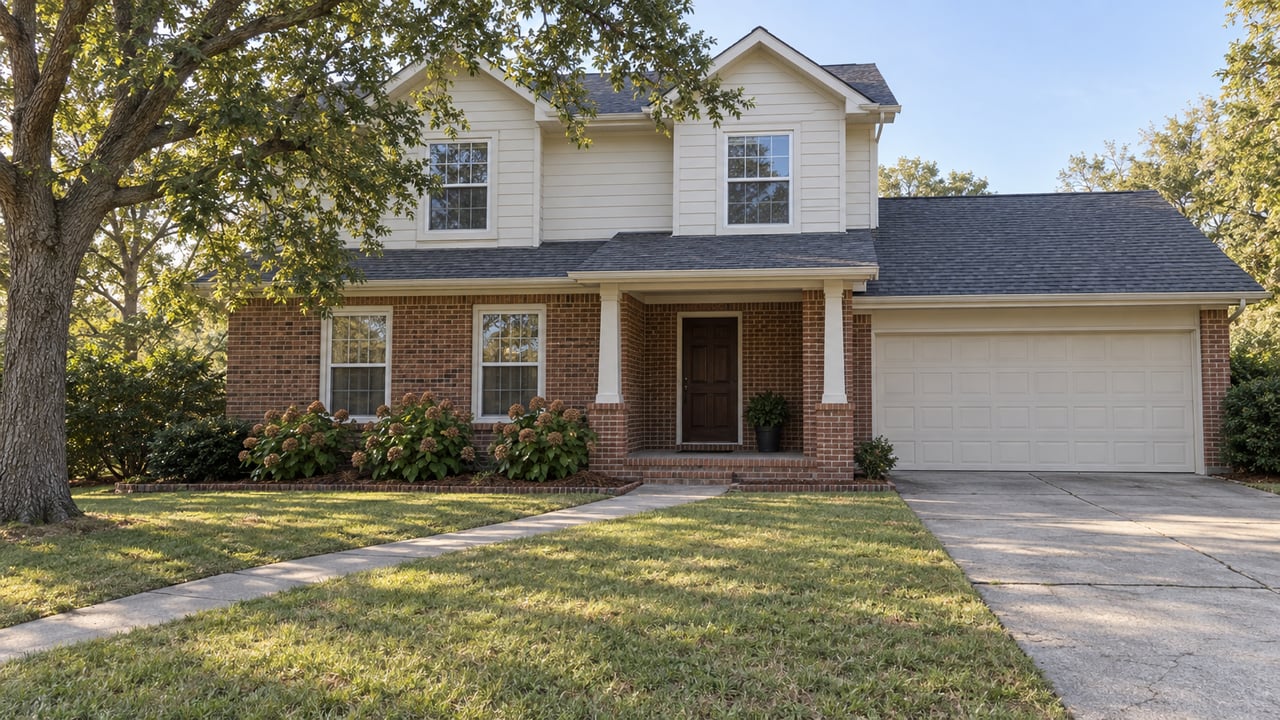
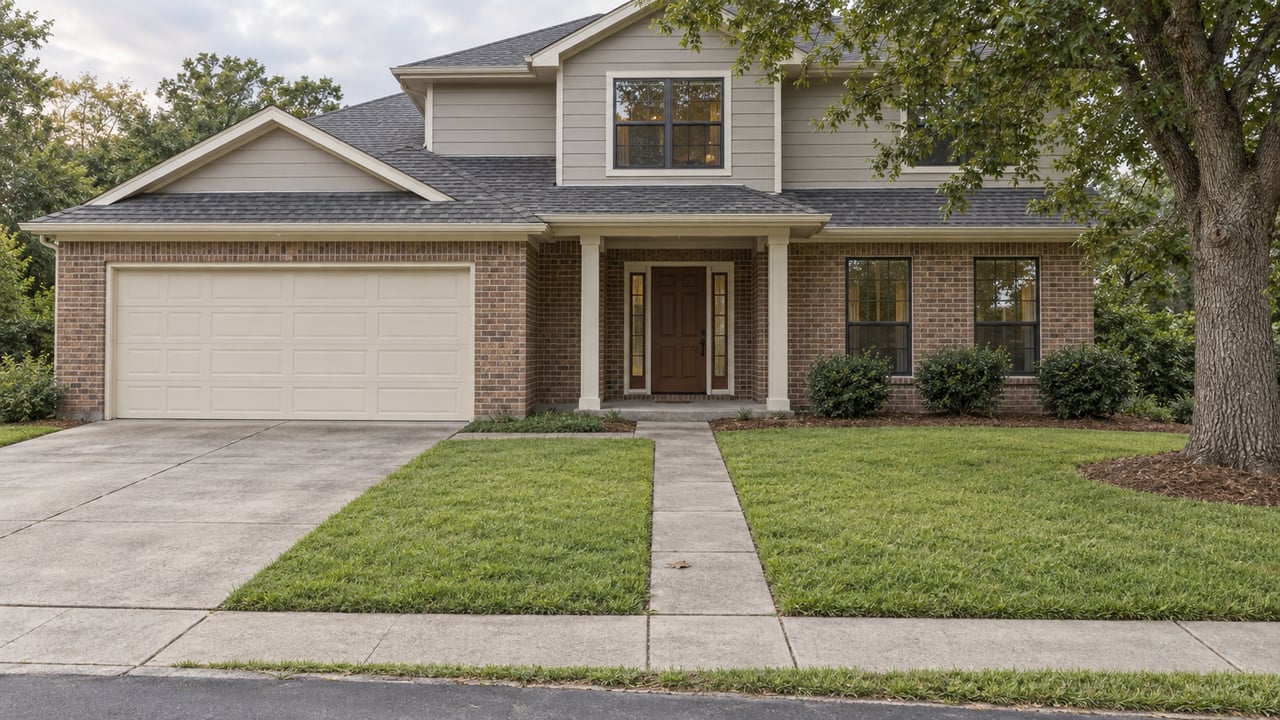
If your priority is a more current layout and fewer immediate renovation decisions, a newer home may be the better fit. In Decatur, most new housing activity is in-fill development rather than large-scale greenfield growth, so newer homes are often part of an established urban pattern instead of a brand-new subdivision.
The city’s financial reports show steady permit activity. In fiscal year 2024, Decatur issued 2,054 building permits, including 36 new dwelling units. In fiscal year 2023, it issued 2,194 permits, including 86 new dwelling units.
That tells you something useful about the market. New construction exists, but it is selective and often competes with a strong renovation market. The same FY2024 report also notes 200 residential alteration and addition projects, which shows how active home improvement is across the city.
Why buyers choose newer homes
A newer in-fill home may work well for you if you want:
- A more contemporary floor plan
- Fewer immediate repair decisions
- Newer materials and finishes
- A simpler move-in experience
- Less uncertainty about what needs updating first
This is where having builder-aware guidance can really help. In a market like Decatur, newer inventory may look straightforward at first glance, but lot placement, neighborhood context, and nearby redevelopment still matter.
When a townhome or smaller-footprint option fits best
Some buyers are not deciding between a bungalow and a detached new build at all. They are deciding whether a smaller attached home offers a better daily lifestyle. In Decatur, that is a realistic option because the city has expanded beyond the old single-family-only model.
The city says accessory dwelling units are allowed in several zoning districts, with one ADU possible per primary dwelling unit. It also says duplexes and walk-up flats are allowed in all residential zoning districts, with different requirements. Missing-middle reform became effective June 30, 2023.
Why attached or smaller homes appeal to buyers
Townhomes and similar products usually fit best when you want a smaller footprint and easier exterior care. They can also make sense if being near downtown, daily errands, or transit matters more to you than having a larger detached yard.
Decatur’s transportation plan says the city has three MARTA rail stations within its boundaries and identifies the downtown area and Decatur MARTA Station as a mobility hub. The city also plans trail segments to better connect the downtown core, neighborhoods, schools, and parks.
That means your home choice is also a transportation choice. If you want a more car-light routine, an attached home or newer in-fill option near downtown may deserve a serious look.
This is not just a theory
Attached housing is already showing up in local development. The city reports a 32-unit attached townhouse development at Church Street and Forkner Drive. The Talley Street redevelopment includes 40 townhomes, and the Decatur Housing Authority has also built market-rate townhouse developments and tested demand for smaller homes through the Oak Cottage Court pilot.
For buyers, that adds credibility to the option. You are not searching for a rare exception. You are looking at a real and growing part of Decatur’s housing mix.
The easiest way to compare your options
If you are stuck, simplify the decision by focusing on what matters most in your day-to-day life. In Decatur, the clearest comparison often comes down to three priorities: character, convenience, and budget certainty.
Choose a bungalow if you want character
A bungalow or cottage may be your best match if you value architectural detail, porch life, and older walkable streets. This option often appeals to buyers who are comfortable planning for maintenance and willing to learn whether historic-review steps apply.
Choose attached housing if you want convenience
A townhome or similar smaller-footprint home may fit best if you want easier exterior care and a location that supports access to downtown or transit. If your goal is simpler upkeep with a connected location, this category can check a lot of boxes.
Choose newer construction if you want predictability
A newer in-fill home may be the strongest option if you want a contemporary layout and fewer near-term renovation decisions. In a limited-inventory market with high values, that kind of predictability can feel worth the tradeoff.
Questions to ask before you decide
Before you choose any home type in Decatur, ask a few practical questions early in the process:
- Is the home inside a local historic district?
- If it is, would planned exterior work require a Certificate of Appropriateness before permits?
- Is the property a bungalow, cottage, townhome, ADU-related setup, or newer in-fill build?
- How close is it to downtown Decatur or a MARTA station?
- Do you care more about charm, easier upkeep, or fewer renovation decisions?
These questions can save you time and help you compare homes more honestly. A house can be beautiful and still be the wrong fit for your timeline, comfort level, or long-term plans.
A smart Decatur decision starts with fit
There is no one right answer in Decatur because the city offers more variety than many buyers expect. Some buyers will gladly trade maintenance for historic charm. Others will choose a newer home or attached option because they want a simpler routine and more predictability.
The key is to match the property to your lifestyle, not just your wish list. When you understand how Decatur’s historic districts, in-fill development, attached housing, and transit layout all shape the market, you can make a more confident decision from the start.
If you want help sorting through older homes, newer in-fill opportunities, or attached options in Decatur, Tiffany Biggins can help you compare the tradeoffs and move forward with a clear plan.
FAQs
How common are older homes in Decatur?
- About 21.4% of Decatur housing was built before 1940, so older homes are a meaningful part of the local market.
What should buyers know about Decatur historic districts?
- If a home is in one of Decatur’s local historic districts, exterior work may require a Certificate of Appropriateness from the Historic Preservation Commission before a building permit can be issued.
Are new homes available in Decatur?
- Yes. Decatur continues to add housing through in-fill development, and city reports show ongoing permit activity for new dwelling units rather than large new suburban-style subdivisions.
Are townhomes a real option in Decatur?
- Yes. Decatur has active townhouse and smaller-home development, including projects noted at Church Street and Forkner Drive and within the Talley Street redevelopment.
How does transit affect a home search in Decatur?
- Decatur has three MARTA rail stations within city boundaries, and the city’s planning emphasizes downtown and the Decatur MARTA Station as a mobility hub, which can make location a major part of your decision.
How do I choose between a bungalow and a new build in Decatur?
- Start by ranking your priorities. If you value charm and historic detail most, a bungalow may fit. If you want a more modern layout and fewer near-term projects, a newer in-fill home may be the better match.