If you are looking for a place where trail time, local parks, and a walkable village atmosphere can all fit into your regular routine, Stone Mountain deserves a closer look. For many buyers, the appeal is not just the homes themselves. It is the way outdoor spaces, community spots, and everyday convenience can shape how you spend your week and your weekends. This guide walks you through what outdoor living really looks like in Stone Mountain, GA, and what that could mean for your home search. Let’s dive in.
Why outdoor living stands out
Stone Mountain is a small city in east metro Atlanta, about 16 miles from downtown Atlanta, with a 2023 estimated population of 6,627 residents. Even though the city itself covers just 1.7 square miles, it is closely tied to one of the region’s best-known outdoor destinations.
That connection matters if you want a lifestyle with easy access to fresh air, walking trails, parks, and community gathering spots. It also helps explain why Stone Mountain often feels bigger in lifestyle terms than its city boundaries might suggest.
The city, village, and park are different
One of the most useful things to know is that Stone Mountain Park is not inside the city limits. The City of Stone Mountain states that the park sits outside the city on unincorporated land, which is an important distinction when you are researching neighborhoods, services, and location.
You may also hear people talk about Stone Mountain Village. That usually refers to the historic, walkable district near the park’s West Gate. Understanding the difference between the city, the village, and the park can help you make better sense of the area as you compare homes and daily routines.
Stone Mountain Park shapes the lifestyle
Stone Mountain Park is the area’s biggest outdoor anchor. The park describes itself as a 3,200-acre destination with outdoor recreation, family attractions, lodging, and year-round use.
For buyers who value outdoor access, that kind of nearby amenity can influence how a place feels long after move-in day. Instead of planning a special trip for nature time, you may be choosing a location where outdoor recreation is part of your normal rhythm.
Trails for walking and hiking
Stone Mountain Park says it offers 15 miles of hiking and walking trails. Those include a 5-mile trail around the mountain’s base and a 1-mile trail to the summit.
The park also lists several named routes, including:
- Cherokee Trail
- Walk-Up Trail
- Nature Garden Trail
- Evergreen Trails
- Songbird Habitat Trail
- King’s Trail at Indian Island
- Trail of the Muscogee
Access to park trails is included with a daily or annual parking pass. If you like having options for quick walks, longer loops, or more active weekend outings, that variety is a real lifestyle advantage.
More than just hiking
Outdoor living here is not limited to trails. Stone Mountain Park also features zip lining, lake rentals, camping and glamping, yurt rentals, a scenic railroad, and seasonal festivals and events.
That mix creates flexibility. Some weekends may be active and outdoorsy, while others may lean more toward relaxed sightseeing or gathering with friends and family.
Beyond the park: more trails nearby
Stone Mountain connects to a wider outdoor network in DeKalb County. The county describes the Stone Mountain Trail group as a 15-mile trail system and notes that DeKalb has more than 120 miles of trails connecting neighborhoods, parks, and historic landmarks.
That broader context is helpful when you are thinking about location over the long term. You are not just choosing a home near one major destination. You are also choosing a spot within a larger east-metro trail system that includes nearby options like the Arabia Mountain Trail and South Peachtree Creek Greenway.
Stone Mountain Village adds everyday charm
Outdoor lifestyle is not only about recreation. It is also about what your day feels like once you leave the house.
Stone Mountain Village, located just outside the park’s West Gate, gives the area a walkable historic district with more than 50 specialty shops and restaurants, three bed and breakfasts, and a visitor center housed in a 1915 wooden caboose. The district was also listed on the National Register in 2001.
A small-town feel near Atlanta
For many buyers, this part of Stone Mountain adds something hard to measure but easy to notice. You can pair trail time with a meal on Main Street, run local errands, or simply enjoy a more village-scale setting close to metro Atlanta.
That can be especially appealing if you want a home search that balances access and atmosphere. You may not be looking for a resort lifestyle. You may just want a place where outdoor time and local activity feel built into the area.
Arts and community activity
The lifestyle mix also includes arts and events. ART Station, located in the Old Trolley Station in the heart of the village, offers theater, galleries, crafts, classes, events, a gift shop, and free admission year-round.
This matters because it rounds out the area’s appeal. Stone Mountain is not only about being outside. It is also about having nearby places that support a fuller weekend routine.
Local parks support daily outdoor time
In addition to the park and village, the City of Stone Mountain maintains several civic outdoor spaces. These include Leila Mason Park, McCurdy Park, Medlock Park, and V.F.W. Park.
According to the city, these spaces offer a mix of amenities such as playgrounds, ballfields, courts, pavilions, restrooms, and on-site parking. For buyers, that can mean more practical access to outdoor time close to home.
Community garden at V.F.W. Park
V.F.W. Park also includes the Stone Mountain Community Garden. The city says the garden has more than 50 plots along with a bee colony, a food pantry garden, and composting sites.
That is a great example of how outdoor living here can go beyond recreation. In some parts of Stone Mountain, outdoor space also supports community involvement and everyday connection.
What weekends can look like
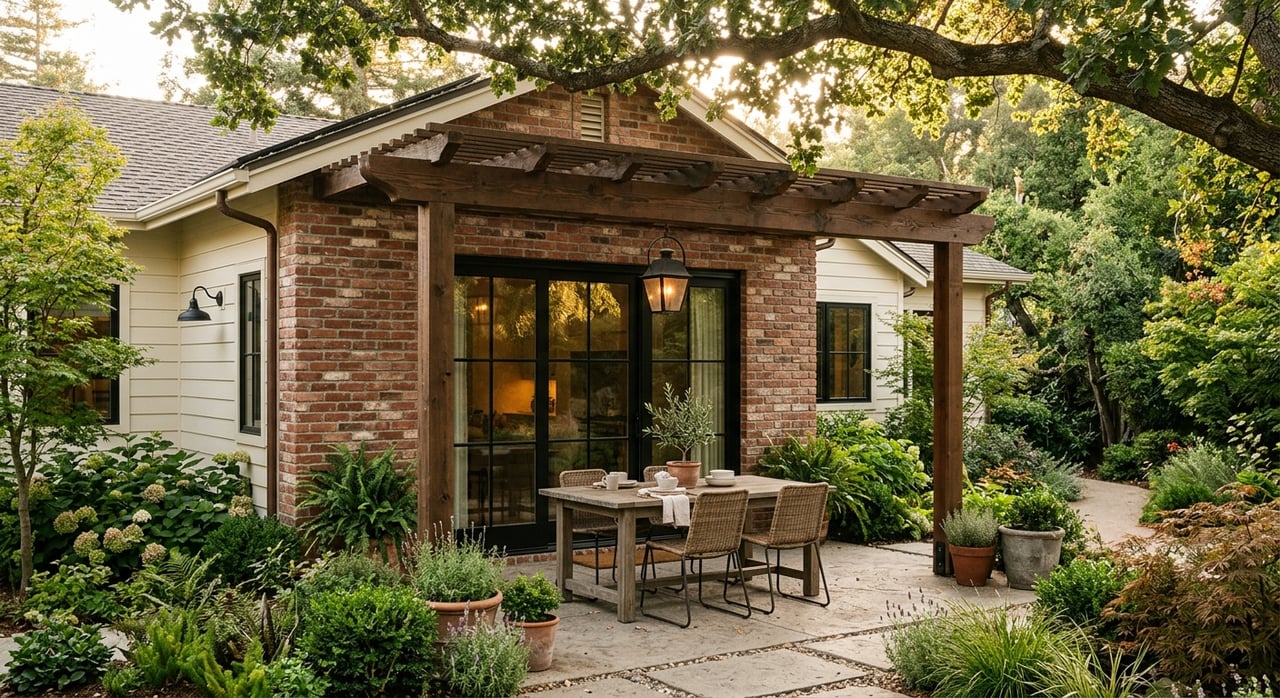
Based on the official mix of amenities, a Stone Mountain weekend can be simple and full without needing a long drive. You might start with a morning walk on a trail, spend time in the village, and later head to a local park or arts event.
That rhythm is one reason the area stands out to buyers who want more than square footage alone. The setting supports an active and flexible lifestyle, whether you prefer nature, local businesses, or a mix of both.
What buyers may notice about homes
If outdoor living is a priority, the home itself is only part of the picture. The neighborhood form and surrounding amenities can matter just as much.
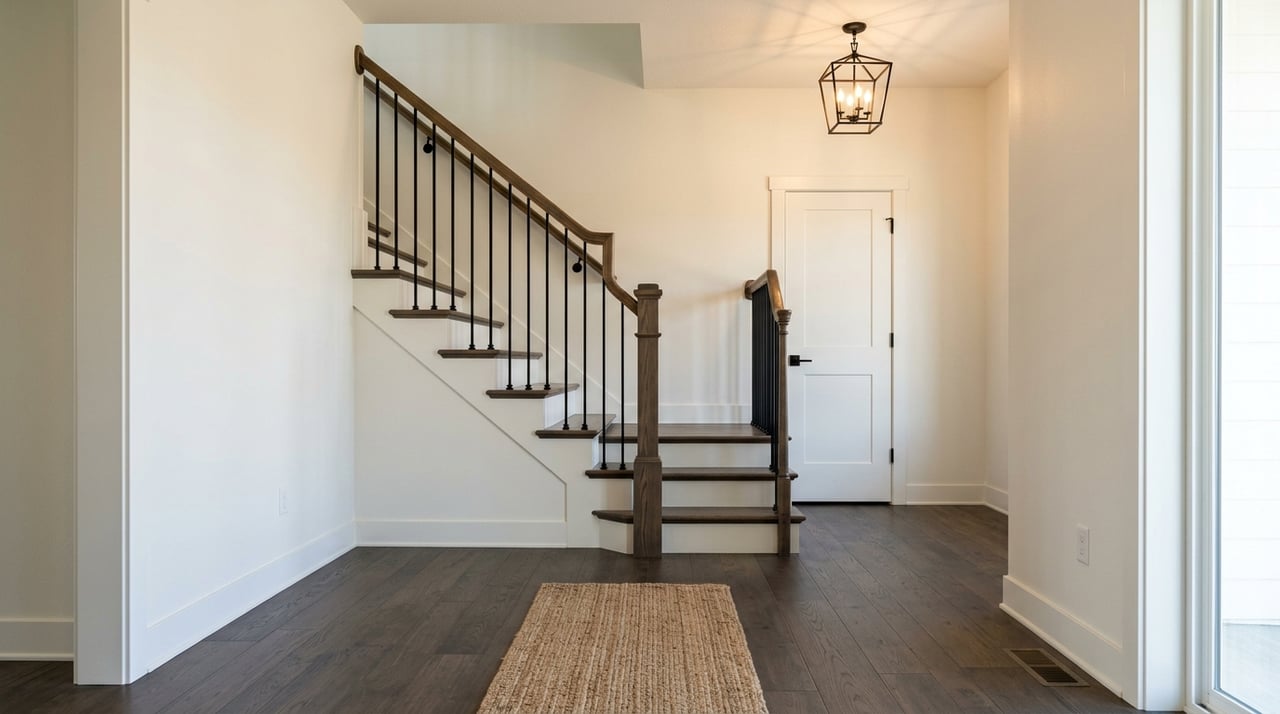
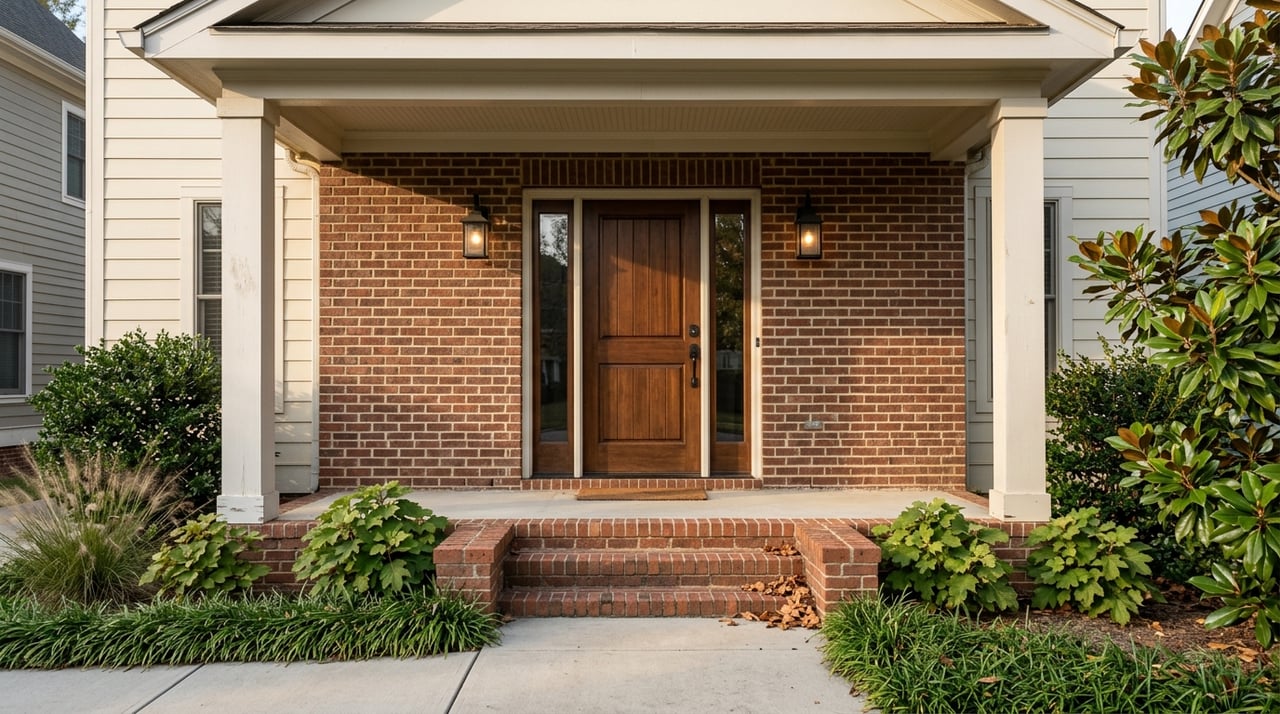
Stone Mountain’s planning documents describe stable, traditional neighborhoods adjacent to the Historic Core in the northern half of the city. These areas include a mix of older and newer housing, and many fall within the city’s National Historic Register District.
Established single-family homes
The city’s comprehensive plan emphasizes preserving existing single-family homes, restoring aging homes with historic character, and improving sidewalk connectivity to places such as McCurdy Park, churches, and the post office.
For you as a buyer, that suggests a setting where the built environment and public spaces are meant to work together. It is not only about the lot lines. It is also about how you move through the neighborhood on foot and how close you feel to local destinations.
A mix of historic, mid-century, and infill character
The citywide Community Agenda identifies Shermantown as a character area with detached single-family homes, neighborhood-scale retail, parks and open space, pedestrian-friendly arrangements, and context-sensitive infill. It also calls for a new square as a community gathering space.
DeKalb County’s historic housing guidance also notes that mid-20th-century ranch and split-level houses were common in the county’s postwar development. In practical terms, that helps explain why Stone Mountain housing may feel varied rather than uniform.
What to look for in your home search
If you are shopping for a home in Stone Mountain, it helps to think beyond the house count and bedroom count. Outdoor-minded buyers often pay close attention to how the surrounding area supports their routine.
Here are a few smart things to watch for:
- Proximity to Stone Mountain Village
- Access routes to Stone Mountain Park
- Sidewalk connectivity near the home
- Nearby city parks and recreation spaces
- The overall feel of the area, whether village-scale, traditional, or more suburban
- The mix of older homes, updated homes, and infill development nearby
These details can shape how often you actually use the outdoor features that drew you to the area in the first place.
Why Stone Mountain appeals to buyers
Stone Mountain can be a strong fit if you want outdoor access without losing connection to metro Atlanta. The combination of a major recreation destination, a walkable village district, local parks, and established single-family neighborhoods gives the area a distinct feel.
For first-time buyers, that may mean finding a place where everyday life feels more connected and approachable. For move-up buyers, it may mean looking for more room while still keeping trail access, parks, and local gathering places within reach.
If you want help exploring homes in and around Stone Mountain, Tiffany Biggins can guide you through the area with clear, local insight and hands-on support.
FAQs
Is Stone Mountain Park inside the City of Stone Mountain?
- No. The City of Stone Mountain says Stone Mountain Park is outside the city limits on unincorporated land.
What outdoor activities are available near Stone Mountain, GA?
- Stone Mountain Park offers hiking and walking trails, zip lining, lake rentals, camping, glamping, yurt rentals, a scenic railroad, and seasonal festivals and events.
What is Stone Mountain Village in Stone Mountain, GA?
- Stone Mountain Village is a walkable historic district near the park’s West Gate with specialty shops, restaurants, bed and breakfasts, and arts and community spaces.
What local parks are in the City of Stone Mountain?
- The city maintains Leila Mason Park, McCurdy Park, Medlock Park, and V.F.W. Park, with amenities such as playgrounds, courts, ballfields, pavilions, restrooms, and parking.
What types of homes are common in Stone Mountain, GA?
- Planning documents point to a mix of older and newer single-family homes in traditional neighborhoods, along with context-sensitive infill in historic character areas.
What should buyers look for in Stone Mountain if outdoor living matters?
- Buyers often focus on trail access, walkability to the village, nearby parks, sidewalk connections, and whether an area feels more historic, traditional, or suburban.