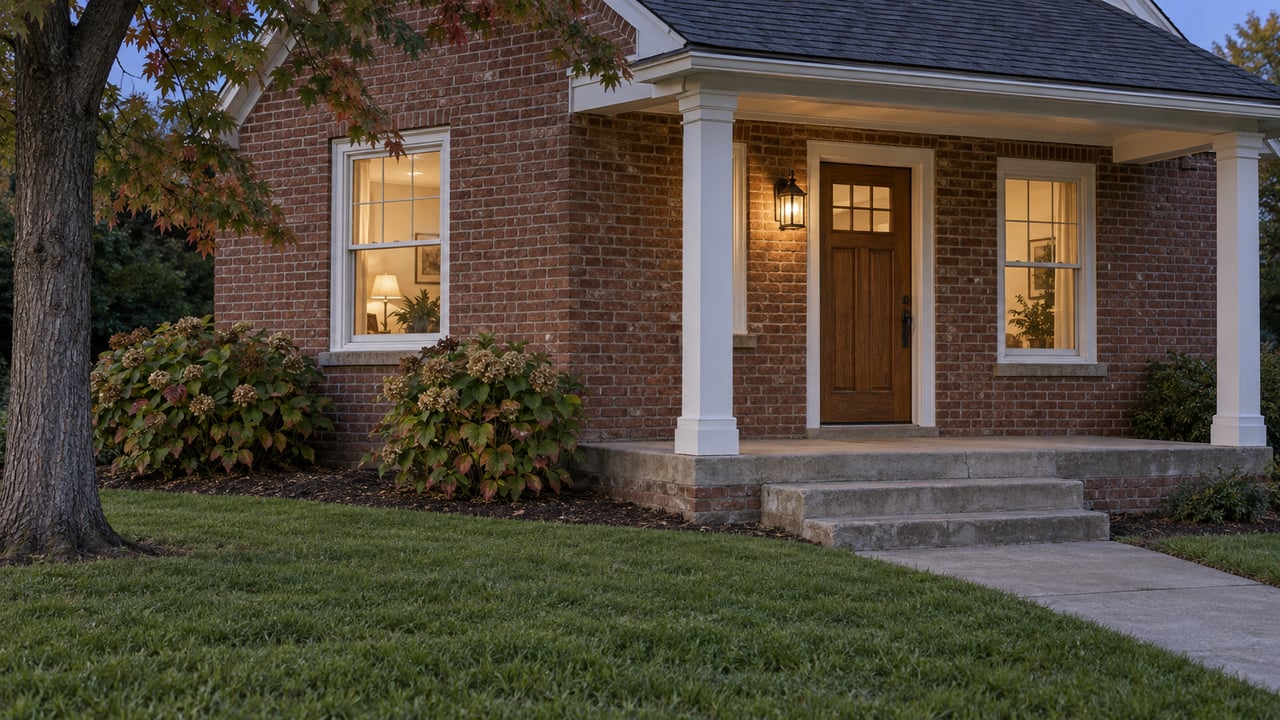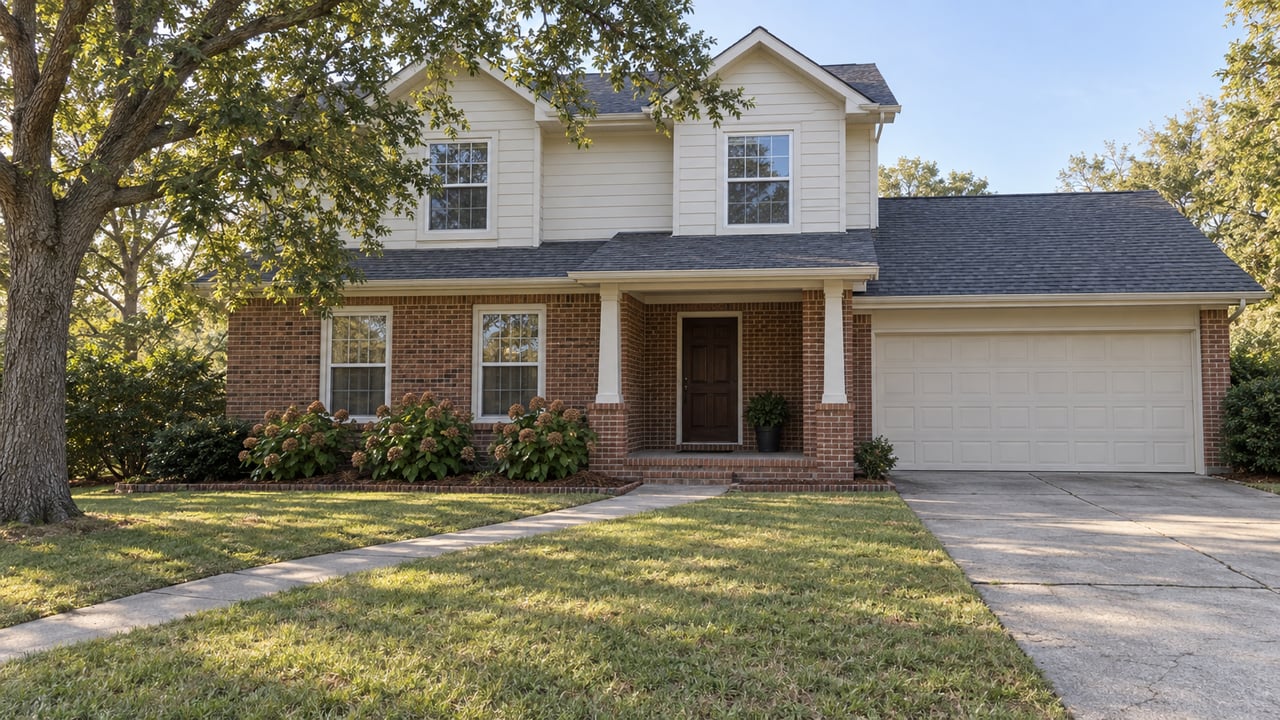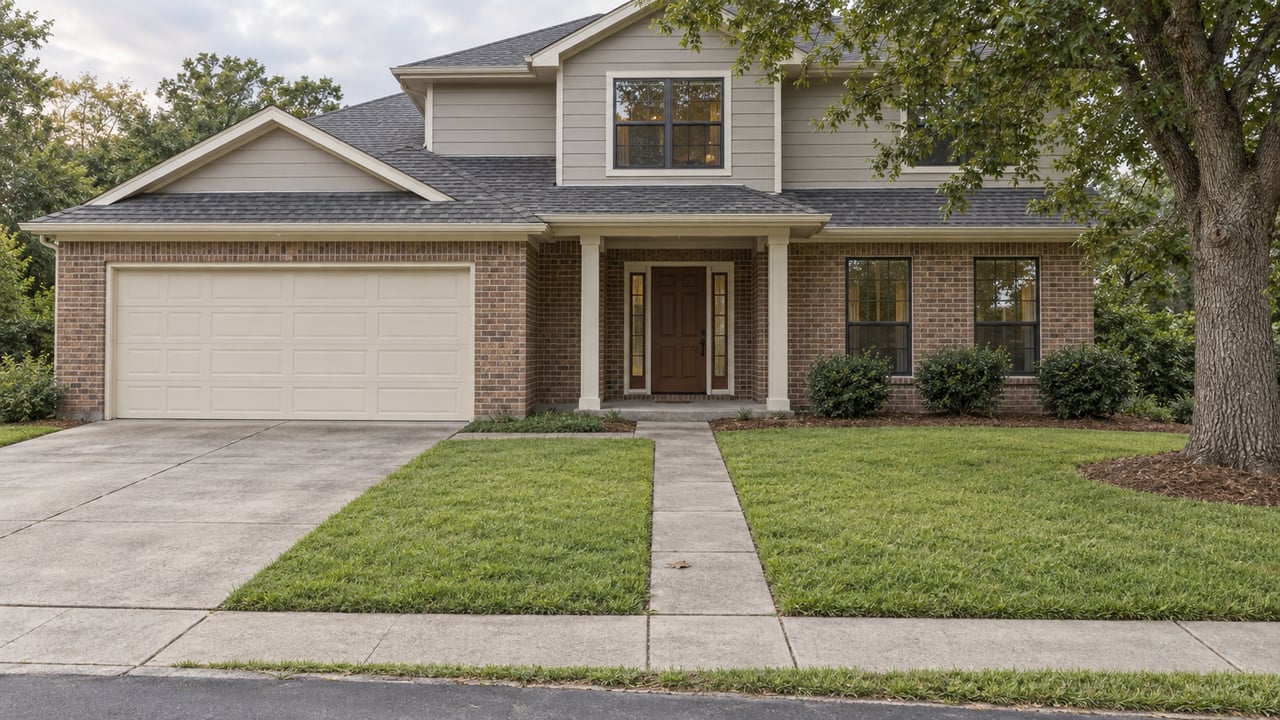
Buying your first home in Ellenwood can feel exciting and overwhelming at the same time. You want the right space, a manageable payment, and a commute that won’t drain your day. You also need a clear plan for Georgia’s contract terms, inspections, and the true costs of getting the keys. In this guide, you’ll learn how the process works in Georgia, what makes Ellenwood appealing to first-time buyers, and the steps to move from browsing to closing with confidence. Let’s dive in.
Why Ellenwood works for first-time buyers
Ellenwood sits in the southern Atlanta metro with a mix of established neighborhoods, newer subdivisions, and ongoing infill construction. Many buyers find price points here more approachable than closer-in areas, which can stretch your budget further. Inventory ranges from mature-lot resale homes to townhomes and small-lot single-family homes in new communities.
Parts of Ellenwood are in DeKalb County, while other addresses fall in neighboring counties. Always confirm the county for a specific property, since taxes, permitting, school assignment zones, and some utilities depend on the county of record. Because boundaries can be complex near county lines, verify school attendance zones directly with the district before you make an offer.
Daily life varies by subarea. Some streets are quiet and residential, while others border commercial corridors. As you compare homes, ask for recent utility bills, check access to shopping and healthcare you use, and consider how each location affects your routine.
Commute and transit basics
You’ll find convenient access to I-675 and I-285 from Ellenwood. These corridors connect you to job centers around the Perimeter and into the city. Like much of the Atlanta area, peak-hour traffic can be heavy. Test your intended route during rush hour to gauge realistic drive times.
Heavy rail service does not directly serve Ellenwood like some northern suburbs. Bus and park-and-ride options may be available nearby. If transit is important to you, review current routes and schedules and check for updates before you decide.
How the Georgia buying process works
Georgia’s contracts and timelines have a few important differences first-time buyers should understand. Here’s a plain-English overview of the typical path from pre-approval to closing.
Pre-approval and planning
- Gather your documents and secure a lender pre-approval before touring. This strengthens your offer and speeds up closing.
- Clarify your monthly budget, including taxes, insurance, HOA fees, and utilities.
- Prioritize your must-haves versus nice-to-haves so you can move quickly on a good match.
From offer to closing
- Offer and negotiation: Once you find a home, your agent prepares the offer and negotiates terms. This stage can take a few days.
- Due diligence period: Commonly 7–14 days, negotiated by the parties. You’ll schedule inspections and review disclosures during this time.
- Loan processing, appraisal, and title: Most closings take about 30–60 days from an accepted offer, depending on your loan and the property.
- Final walkthrough and closing: After the lender clears you to close, you’ll sign documents and receive the keys.
Key Georgia contract terms to understand
- Due diligence fee: In Georgia, buyers often pay a nonrefundable fee directly to the seller in exchange for the agreed due diligence period. The amount and length are negotiable. This compensates the seller for taking the home off the market while you inspect and finalize financing.
- Earnest money: This is separate from the due diligence fee and is typically held in escrow. It is credited at closing or handled per the contract if a party defaults.
- Inspection and repair negotiation: You’ll usually complete a general inspection and any specialty inspections during due diligence. Repairs or credits are negotiated and documented.
- Financing and appraisal contingencies: These set the timelines for lender approval and valuation. Missing deadlines can affect your contract, so stay in close contact with your lender.
- Title and survey: The closing attorney and title company review title, and a survey may be obtained if needed. Any issues should be resolved before closing.
What it really costs to buy
Every buyer’s budget is different, but you’ll encounter a consistent set of upfront and ongoing costs. Confirm all amounts with your lender and closing attorney.
Upfront, pre-closing costs
- Earnest money deposit: Amounts vary by local custom and price point.
- Due diligence fee: Negotiated; paid directly to the seller in Georgia.
- Home inspections: General inspection plus any needed specialty inspections (termite, septic, HVAC, radon, or well if applicable).
- Appraisal fee: Ordered by your lender and typically paid by you.
- Loan application and processing: Lender fees and a credit report fee.
- Closing costs: Lender charges, title insurance, closing/escrow fees, and prepaid taxes and insurance. Sellers may contribute, but it depends on negotiation.
- Down payment: Determined by your loan program.
Illustrative ranges to help you plan, to be verified for your specific purchase:
- Inspections: often a few hundred dollars for a general inspection; each specialty inspection adds cost.
- Appraisal: commonly a few hundred dollars.
- Closing costs: often a low single-digit percentage of the purchase price, commonly 2–5%.
- Down payment: varies by program; 0–20% across common options.
Ongoing, post-closing costs
- Mortgage principal and interest.
- Property taxes. If eligible, you can apply for a homestead exemption in DeKalb County to help reduce the taxable amount.
- Homeowners insurance.
- Private mortgage insurance (PMI) on many conventional loans with less than 20% down.
- HOA fees if the property is in a community with an association.
- Utilities and routine maintenance.
Loans and assistance programs to explore
You have several financing paths as a first-time buyer. Ask each lender to review program rules and provide a Loan Estimate so you can compare total costs.
- Conventional loans: Low down payment options may be available for first-time buyers.
- FHA loans: Popular for flexible credit standards and low down payment.
- VA loans: Zero down for eligible service members and veterans, with no PMI.
- USDA Rural Development loans: Zero down in eligible areas. Some parts of the broader Ellenwood area may qualify; eligibility depends on the specific address and the USDA map.
- Georgia Dream Homeownership Program: State-administered assistance for down payment and closing costs for eligible buyers. Income and purchase price limits apply and are updated periodically.
- Local and lender programs: DeKalb County or municipalities sometimes offer assistance, and many lenders provide grants or special first-time buyer products. HUD-approved housing counseling agencies can also help with education and readiness.
Action steps:
- Get quotes from multiple lenders and compare Loan Estimates line by line.
- Ask specifically about Georgia Dream, USDA, FHA, and any local or employer-sponsored assistance you might qualify for.
- Consider a HUD-approved homebuyer education course to strengthen your application and budgeting skills.
New construction vs resale in Ellenwood
Ellenwood offers both new subdivision homes and established resale properties. Each path has tradeoffs in price, timeline, and risk.
What’s different with new construction
- Contracts: Builders often use their own contracts. Expect a deposit schedule, potential lot premiums, and a clear distinction between standard features and upgrades.
- Timeline: A move-in-ready spec home can close quickly, while a to-be-built home may take months. Construction delays are possible.
- Inspections and warranties: Builders typically offer limited warranties. You can still hire an independent inspector for pre-drywall and final walkthrough inspections for added peace of mind.
- Incentives: Builders may offer closing cost help or rate buydowns, especially with preferred lenders. Review the true net cost after upgrades.
What’s different with resale
- Contracts: Standard Georgia forms are common, with negotiation around repairs and seller concessions.
- Timeline: Often 30–60 days from contract to close, driven by your loan and appraisal.
- Condition: You may get mature landscaping and larger lots, but also potential repairs or updates. Inspections are key for roof, HVAC, plumbing, and electrical systems.
Practical tip: If your budget is tight, a well-located resale may offer a lower sticker price with room for gradual updates. If you value newer systems and lower initial maintenance, new construction can be attractive, but watch for upgrade costs that push you over budget.
Location checks that matter in Ellenwood
- Confirm the property’s county of record. Taxes, school zones, and some utilities depend on this.
- Verify school attendance zones directly with the DeKalb County School District for the specific address.
- Ask whether the home is connected to county water and sewer or if it uses a septic system. Schedule a specialty septic inspection if applicable.
- Review HOA covenants, restrictions, fees, and any pending special assessments.
- Check for flood zone status and local drainage conditions. Confirm any required flood insurance.
- Ask your title company to explain any easements, access, or boundary questions.
Smart first steps: a simple checklist
Before you look
- Get pre-approved with a lender and collect the documents they’ll need.
- Set your monthly budget, including taxes, insurance, HOA dues, and utilities.
- Define your must-haves and nice-to-haves.
When you find a home
- Confirm the county, taxing authorities, and school assignment zones for the address.
- Clarify your due diligence fee and period; calendar all deadlines.
- Schedule a general inspection and any needed specialty inspections right away.
- Request HOA documents, seller disclosures, and recent utility bills.
- Check flood maps and insurance requirements.
At loan and closing stage
- Compare Loan Estimates from multiple lenders.
- Ask for a detailed closing cost breakdown, including prepaids and reserves.
- Review the title report and secure homeowners insurance.
After you move in
- Apply for the homestead exemption if eligible.
- Set up utilities, update your address, and store all closing and warranty documents.
How Vision To Realty helps first-time buyers
As a boutique, broker-led practice focused on southeast metro Atlanta, we guide you through each step with clear, local advice. You get hands-on buyer advocacy, MLS-backed search tools, and experienced support for both resale and new-construction purchases. We help you compare loan options, explain Georgia’s due diligence and earnest money practices, coordinate inspections, and, for new builds, act as your liaison with the builder from contract through orientation and punch lists.
Ready to start your Ellenwood search with confidence? Connect with Tiffany Biggins for a tailored plan, neighborhood-level insight, and responsive, broker-led guidance.
FAQs
What is the due diligence fee in a Georgia home purchase?
- In Georgia, buyers commonly pay a negotiated, nonrefundable fee directly to the seller in exchange for a due diligence period to complete inspections and finalize financing.
How long does it take to buy a home in Ellenwood, GA?
- From an accepted offer to closing, most transactions take about 30–60 days, depending on your loan, appraisal timing, title work, and how quickly inspections are completed.
Are USDA loans an option for homes around Ellenwood?
- Some areas may qualify for USDA zero-down financing, but eligibility is address-specific; you or your lender should check the current USDA map for each property.
What upfront costs should a first-time buyer in DeKalb plan for?
- Expect earnest money, a due diligence fee, inspections, an appraisal, lender and title fees, closing costs, and your down payment; verify exact amounts with your lender and closing attorney.
How do I verify schools and taxes for an Ellenwood address?
- Confirm the property’s county of record and check school attendance zones directly with the DeKalb County School District; property taxes and exemptions are set by the county.
Is new construction usually cheaper than resale in Ellenwood?
- Not always; new homes can include incentives but upgrades and lot premiums add cost, while resale homes may have lower prices but could need repairs or updates—compare total costs for your situation.