Love the idea of a small-city feel just minutes from Atlanta? If you’re comparing in-town neighborhoods and eastside suburbs, Decatur likely makes your shortlist. In this guide, you’ll get a clear look at everyday life, housing options, commutes, parks, culture, and the key steps to buy with confidence. Let’s dive in.
Where Decatur fits in metro Atlanta
Decatur sits immediately east of Atlanta, about 5 to 7 miles from downtown depending on your route. It’s an independent city within DeKalb County, so it runs its own services while staying closely connected to the region. Many residents commute to jobs in Downtown and Midtown Atlanta, as well as Emory University and the CDC. You get a walkable core with a strong sense of place alongside quick access to the city. Learn more about city services and planning on the City of Decatur’s official site.
Climate and everyday weather
Decatur has a humid subtropical climate with hot, humid summers and mild winters. You can expect a long outdoor season, lush tree canopy, and afternoon thunderstorms in warmer months. Winter brings the occasional cold snap and light winter precipitation. For weather norms and seasonal tips, review regional guidance from the National Weather Service.
Housing types you’ll see
Decatur offers a wide mix of homes within a compact footprint. Inventory inside the city limits is limited, and prices often reflect the area’s walkability and proximity to Atlanta job centers.
Historic and character homes
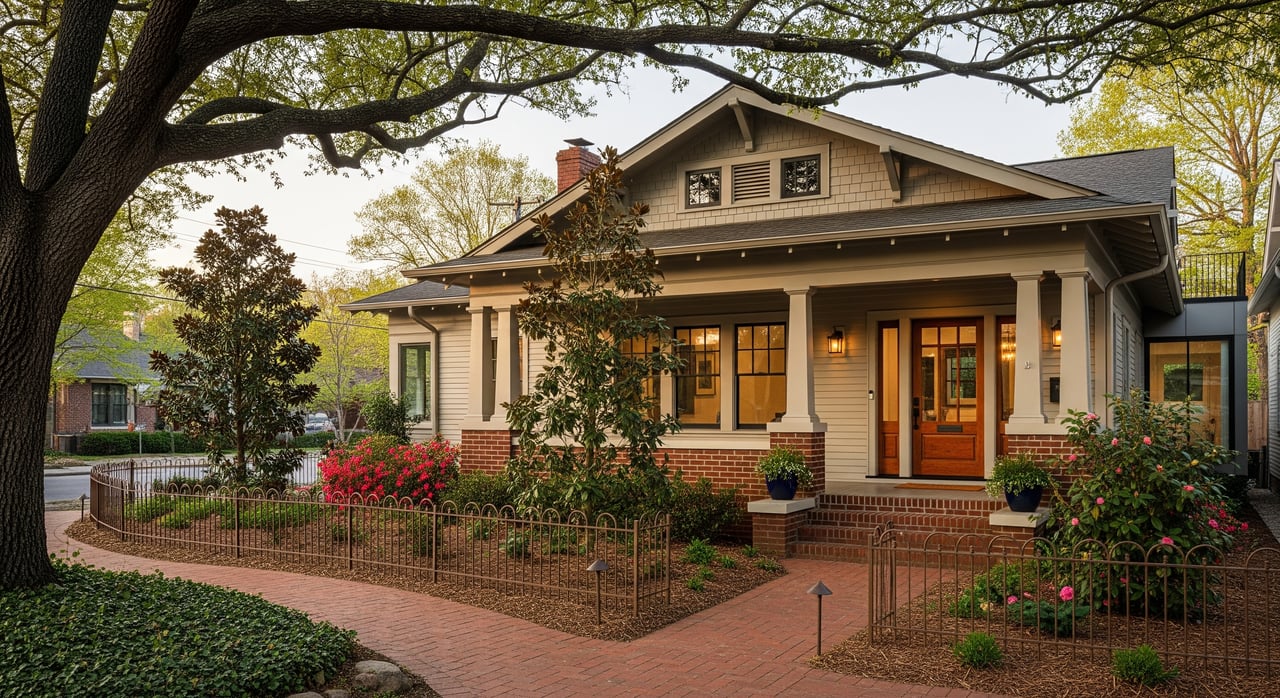
Many streets feature early-20th-century Craftsman bungalows, cottages, and Victorian-influenced homes. These properties often have original details, front porches, and smaller lots. If you plan to renovate or expand, confirm whether the home falls within a local historic district.
Mid-century and infill options
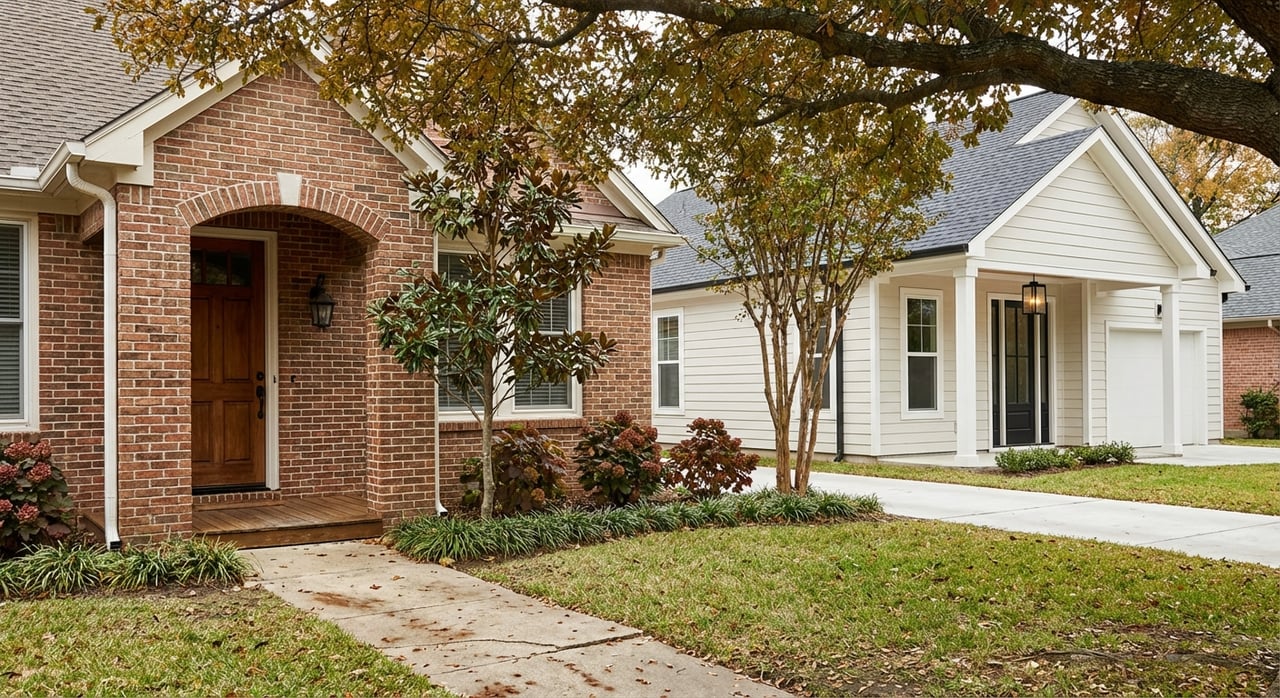
You’ll also find mid-century ranches and split-levels, plus newer small-lot homes and duplex-style infill near key corridors. Infill townhomes have become common near MARTA stations and along walkable streets.
Condos and townhomes near the Square
The downtown core has mid-rise condos, historic conversions, and newer multifamily options close to shops and restaurants. If you’re considering a condo or townhome, verify deeded parking and guest parking rules.
What’s driving prices
Decatur homes typically trade at a premium compared with many parts of the metro. Buyers value the walkable downtown, short commutes, and the municipal school system that serves many addresses. Lot sizes can be modest in older areas, and some historic homes may need renovation, which is a common trade-off for character and location.
Neighborhood snapshot
Each pocket of Decatur has a distinct feel, all within a small radius of the downtown Square.
Decatur Square and downtown core
This is the city’s cultural and commercial heart. You’ll find independent restaurants, cafes, shops, and community events clustered around the Square. It’s the most walkable area and popular with buyers who want daily errands on foot.
Oakhurst
Oakhurst blends bungalow streets with neighborhood restaurants and a community-oriented vibe. It offers good access to the Square while maintaining its own local destinations.
Winnona Park and South Decatur
Tree-lined streets and historic homes define these areas. Buyers appreciate the established neighborhood character and proximity to downtown.
West Decatur and edge areas
Closer to Clairmont and other major corridors, you’ll see a mix of older homes and recent infill. These pockets can provide varied price points within the city.
Nearby alternatives to compare
Just beyond the city limits, you’ll find unincorporated DeKalb neighborhoods and smaller cities such as Avondale Estates, as well as adjacent areas like East Lake and Druid Hills. These can be useful comparisons if you want a similar lifestyle at different price points or lot sizes.
Getting around: MARTA, driving, and airport
Decatur is served by MARTA rail on the east–west line with the Decatur station in the heart of downtown. From there, you can reach Downtown and Midtown Atlanta directly and connect to other lines at Five Points. Several bus routes link neighborhoods to the station and nearby job centers. Explore maps and schedules on the MARTA official site.
If you drive, main corridors include Ponce de Leon Avenue, Clairmont Road, and College Avenue. Typical drives to downtown Atlanta can range from about 15 to 35 minutes depending on time of day and route. For regional travel, I-285 and I-20 are a short hop away.
Hartsfield–Jackson Atlanta International Airport is reachable by car or a combination of MARTA rail and transfers. Expect around 20 to 40 minutes by car depending on traffic.
Parking can be tight near the downtown core. If you’re considering a condo or townhome, confirm parking details and any permit rules. In neighborhoods outside the core, driveway and street parking are usually more straightforward.
Parks, dining, and culture
Decatur punches above its weight for year-round events and local flavor. The city hosts one of the region’s best-known literary gatherings, the Decatur Book Festival. Regular arts events, music on the Square, and restaurant weeks spotlight a thriving independent business scene.
You’ll also find pocket parks, playgrounds, and recreation programs throughout the city. For an overview of facilities and programming, start with the City of Decatur and its parks and recreation resources. If you want larger natural areas and greenways, several regional parks and trails are a short drive away.
Schools and education
Most addresses within the city are served by City Schools of Decatur. Many buyers consider school assignment during their search, so it’s smart to verify the exact school zone for any specific property. For updates on attendance areas and performance reports, visit City Schools of Decatur.
Higher education shapes local life as well. Agnes Scott College sits in the heart of Decatur, and Emory University is nearby, both influencing community events and rental demand.
Property taxes, permits, and historic review
Because Decatur is a municipality within DeKalb County, property tax bills can include city, county, school, and special district line items. Millage rates can change, so review current details and parcel information with the DeKalb County Tax Assessor and the City of Decatur before you finalize your budget.
Decatur includes recognized historic districts and design review areas. Renovations, exterior changes, and demolition in those zones may require approvals. Start with the city’s planning and historic preservation resources via the City of Decatur to understand procedures and timelines.
Buyer checklist for Decatur
Use this quick list to stay focused as you tour homes:
- Verify the exact school assignment for the property address.
- Check whether the home is in a historic district and what review rules apply.
- Review property taxes for the parcel and confirm current millage rates.
- Compare recent sales and time-on-market with your agent to gauge competition.
- Inspect lot size, tree canopy, drainage, and any floodplain considerations.
- Test your commute during peak hours by both car and MARTA.
- For older homes, budget for potential updates to electrical, plumbing, and foundations.
- For condos and townhomes, confirm deeded parking, guest parking, and HOA rules.
- Ask about any pending city plans that may affect density or nearby corridors.
Common trade-offs to weigh
- Character vs. space: Historic homes and walkable streets may come with smaller lots and more maintenance.
- Price-per-square-foot: Premiums are typical inside city limits compared with many metro areas farther out.
- Parking and storage: Downtown living can mean less private parking or garage space.
- New construction: Large new-home subdivisions are rare inside the city; most new options are infill or townhomes.
Who Decatur works best for
- You want a walkable lifestyle near shops, dining, and MARTA.
- You value short commutes to Atlanta job centers.
- You prefer character homes or low-maintenance condo living over large-lot suburban settings.
- You are comfortable balancing price, space, and renovation needs to live close to the core.
If you want larger yards or brand-new subdivisions, you may find more choices in nearby DeKalb communities or in southeast metro corridors. A side-by-side comparison can help you decide which trade-offs fit your budget and lifestyle best.
How we help buyers compare options
Buying in Decatur often means competitive inventory and fast decisions. You deserve clear guidance on neighborhoods, due diligence, and how each home stacks up against your goals. As a boutique, broker-led practice, we provide hands-on buyer advocacy, neighborhood-level insight, and new-construction expertise when you want to compare resale vs. infill options. When you’re ready, connect with Tiffany Biggins for a focused plan and on-the-ground support.
FAQs
How far is Decatur from downtown Atlanta and major job centers?
- Decatur sits roughly 5 to 7 miles east of downtown Atlanta, with many residents commuting to Downtown, Midtown, and nearby institutions like Emory University and the CDC.
Can I live car-light in Decatur?
- Many downtown and near-downtown homes are walkable to shops and the Decatur MARTA station, making car-light living feasible, especially if your commute uses rail.
What home styles are common in Decatur?
- You’ll see Craftsman bungalows, early-20th-century cottages, mid-century ranches, and newer infill townhomes and small-lot modern homes near walkable corridors.
How does historic review affect renovations in Decatur?
- Some neighborhoods have historic districts with design guidelines. Exterior changes, additions, or demolition may require approvals through city processes.
Are there parks and events in Decatur?
- Yes. You’ll find neighborhood parks and a full calendar of arts and cultural events, including the well-known Decatur Book Festival in the downtown core.
What should I know about property taxes in Decatur?
- Property tax bills can include city, county, school, and special district line items. Review parcel details with DeKalb County and the City of Decatur for current information.