Wondering what everyday life in Lilburn, GA actually feels like? If you are comparing Gwinnett County communities, Lilburn stands out for its small-city footprint, active park scene, and a downtown area that is evolving without losing its local identity. This guide will help you understand Lilburn’s neighborhoods, outdoor spaces, housing mix, and daily rhythm so you can decide whether it fits the way you want to live. Let’s dive in.
Why Lilburn Gets Attention
Lilburn is a small city in Gwinnett County with a 2025 population estimate of 16,369 and about 6.8 square miles of land area. That compact size gives it a more contained feel than some larger suburban communities in metro Atlanta.
It also has a strong mix of old and new. The city’s history is tied to the railroad, but over time business activity shifted toward Lawrenceville Highway, also known as US-29, as car travel became more central to daily life. You can still feel that contrast today in the difference between Old Town and the broader commercial corridor.
Another important part of Lilburn’s identity is its diversity. Census QuickFacts show that 34.3% of residents are foreign-born, and 61.6% of people age 5 and older speak a language other than English at home. For many buyers, that helps explain why the city feels varied, active, and shaped by many backgrounds.
Lilburn Neighborhoods to Know
Old Town Lilburn
Old Town is the clearest center of the city. Local planning materials describe it as a walkable destination with historic character, mixed-use development, and public spaces that connect shops, housing, and events.
If you like the idea of being closer to community events, parks, and a traditional downtown setting, this is the area to watch. It is not a large urban district, but it offers a more connected feel than a typical suburban strip-center environment.
The city’s downtown concept breaks the core into Main Street and West Old Town, East Old Town, and the Uptown area along Lawrenceville Highway. For a homebuyer, that means the city is thinking intentionally about how the core should grow and function over time.
Lawrenceville Highway Corridor
Lawrenceville Highway is Lilburn’s main commercial corridor. This is where a lot of everyday errands, services, and dining options naturally cluster, which matters if convenience is high on your list.
Compared with Old Town, this part of Lilburn feels more auto-oriented and practical. It supports the city’s day-to-day rhythm and reflects how the community developed as driving became the main way people moved around.
Residential Areas Beyond the Core
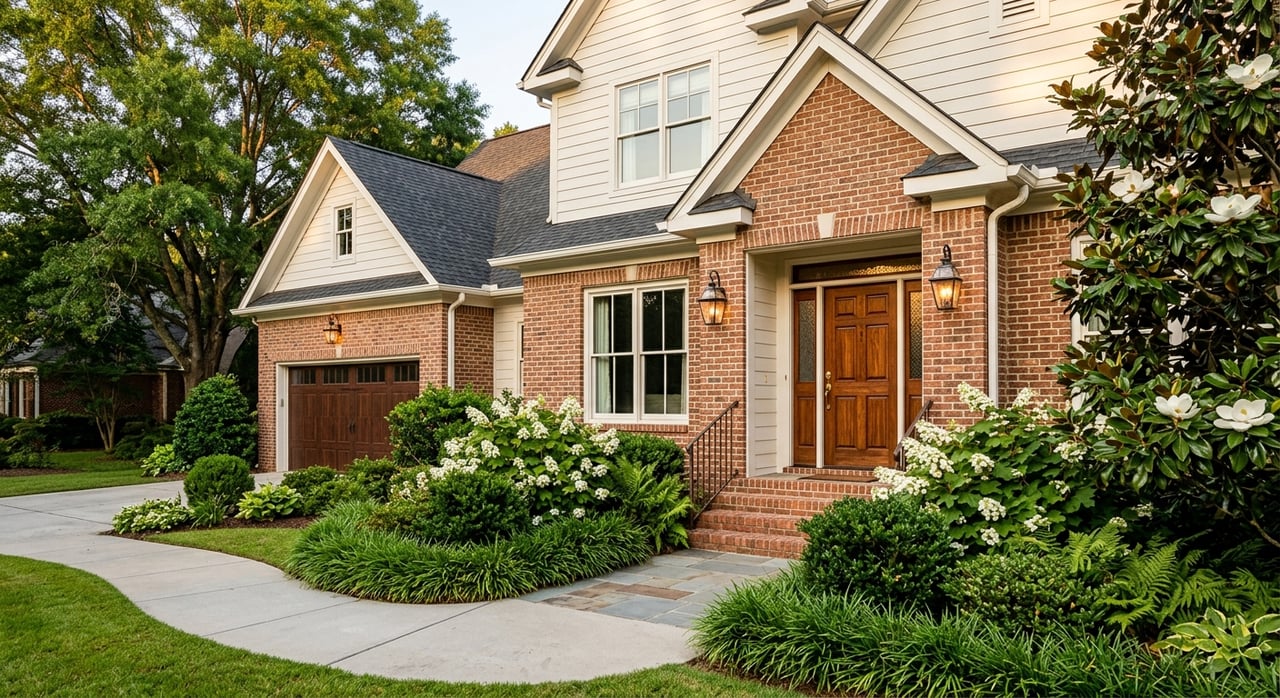
Outside the downtown and corridor areas, Lilburn is best understood as a collection of more traditional suburban residential pockets. The housing profile points to a market that leans heavily toward single-unit homes, which supports that suburban feel.
If you are looking for a neighborhood with more space, established streets, and a familiar suburban layout, that is a big part of Lilburn’s appeal. It is not trying to be a dense intown market, and that difference matters when you compare it with other metro Atlanta options.
How Old Town Is Changing
Lilburn is not standing still. One of the biggest signs of change is the Porchline redevelopment in Old Town, which the city says will add new housing choices, sustainable infrastructure, connected public space, and a public-private parking deck.
For buyers, that means downtown Lilburn is growing in a deliberate way. You may see more housing variety and more amenities in the core over time, which can make the area especially interesting if you want a suburban city with some walkable features.
This kind of change also tells you something about the city’s direction. Lilburn is working to preserve historic character while also allowing reinvestment and infill, which can create a more active downtown experience without changing the city into something unrecognizable.
Parks Shape Daily Life
Lilburn City Park
Lilburn City Park is one of the city’s biggest lifestyle anchors. This 10-acre downtown park includes a splash pad, playground, pavilion, bandshell, restrooms, picnic areas, a lighted walking and jogging path, and access to the Camp Creek Greenway.
If you picture weekend walks, outdoor play, or community events close to the center of town, this park helps define that experience. It is not just green space. It is part of how residents gather and spend time outdoors.
Camp Creek Greenway
The Camp Creek Greenway adds another layer to daily life in Lilburn. The trail is about 4.2 miles long and connects Lilburn City Park, Lions Club Park, and Killian Hill Road.
That gives you a practical option for walking, jogging, or spending time outside without needing a major destination. The greenway is also certified as a National Wildlife Federation habitat, which adds to its natural feel.
Bryson Park and Lions Club Park
Bryson Park and Lions Club Park expand the recreation options beyond the downtown core. Bryson Park covers 72 acres and includes a multi-purpose field, two youth soccer fields, basketball, volleyball, a playground, a pavilion, and a paved trail.
Lions Club Park covers 51 acres and includes five baseball and softball fields, a playground, pavilion, restrooms, a Camp Creek Greenway trailhead, and a paved loop trail. Together, these parks support a lifestyle that feels active, family-oriented, and rooted in community spaces.
Events and Local Culture
Lilburn uses its public spaces in a very visible way. Food Truck Tuesday takes place on the second Tuesday of each month from May through October in Lilburn City Park, giving residents a recurring local event built into the calendar.
The city also hosts Sparkle in the Park, its annual Independence Day fireworks celebration, at Lilburn City Park. These events help make Lilburn feel social and connected, especially for buyers who want more than just a place to sleep between commutes.
Old Town also features murals, sculptures, and other public art. That detail may seem small, but it helps downtown feel more lived-in and community-focused rather than purely commercial.
A major cultural landmark in Lilburn is the BAPS Shri Swaminarayan Mandir, which Explore Gwinnett highlights as an important destination in the city. Along with the city’s demographic profile, it reinforces that daily life in Lilburn is shaped by a broad mix of cultures and experiences.
Dining Reflects the City
One of the easiest ways to get a feel for Lilburn is to look at where people eat. Old Town and the Lawrenceville Highway corridor include local spots such as 1910 Public House, Agavero Cantina, Le Sorelle, Mamá Empanadas, Taqueria Los Hermanos, and Izzy’s NY Pizza.
That mix tells you a lot. Lilburn’s restaurant scene is casual and varied, and it mirrors the city’s multicultural identity in a practical, everyday way.
For a buyer, this matters because food is part of routine life. If you value having a range of familiar and local dining options nearby, Lilburn offers more variety than its small size might suggest.
Housing and Buyer Takeaways
Lilburn’s housing stock leans suburban. Census data shows a 61.2% owner-occupied housing rate, a median owner-occupied home value of $278,600, a median gross rent of $1,479, and an average household size of 3.01.
Census Reporter’s ACS profile shows that about 77% of housing units are single-unit structures. Put together, those numbers point to a city where detached homes play a major role in the market and where owner-occupant households remain a strong part of the community.
For first-time buyers or move-up buyers, that can be encouraging if your goal is a more traditional suburban home layout. At the same time, downtown reinvestment suggests that buyers may also see more varied housing choices in and around the core as projects move forward.
What the Commute and Daily Rhythm Feel Like
Lilburn’s average travel time to work is 31.9 minutes, according to Census QuickFacts. Combined with the city’s development pattern along Lawrenceville Highway, that points to a daily rhythm that is still largely car-oriented.
That does not mean there is no walkability at all. Old Town and the parks create some connected areas for recreation and local events, but the broader lifestyle still fits buyers who expect to drive for many everyday needs.
In simple terms, Lilburn offers a blend. You get a real downtown, strong park access, and local gathering spaces, but you still live in a suburban environment rather than a dense urban one.
Who Lilburn May Fit Best
Lilburn may be a strong match if you want a compact suburban city with a recognizable downtown and active public spaces. It can also appeal to buyers who want established single-family neighborhoods while staying connected to shopping, dining, and community events.
If you are looking for a place with a broad mix of cultures, outdoor recreation, and a practical suburban layout, Lilburn has a lot to offer. If your goal is a dense intown lifestyle with a highly walkable street grid across the whole city, it may not be the best fit.
The value of Lilburn is in how those pieces come together. Within a small geographic area, you get established neighborhoods, an evolving downtown core, well-used parks, and a day-to-day pace that feels grounded and approachable.
If you are thinking about a move to Lilburn or comparing Gwinnett communities, working with a local guide can help you narrow down the areas and home types that best match your goals. When you are ready to explore your options, connect with Tiffany Biggins for thoughtful, hands-on guidance through your home search.
FAQs
What is daily life like in Lilburn, GA?
- Daily life in Lilburn feels suburban and car-oriented, with community activity centered around Old Town, Lawrenceville Highway, local parks, and recurring city events.
What are the main areas to know in Lilburn, GA?
- The main areas to know are Old Town Lilburn, the Lawrenceville Highway commercial corridor, and the surrounding suburban residential pockets.
What parks are popular in Lilburn, GA?
- Popular parks in Lilburn include Lilburn City Park, Camp Creek Greenway, Bryson Park, and Lions Club Park.
Is Lilburn, GA more urban or suburban?
- Lilburn is best described as a suburban city with a real downtown core, rather than a dense urban environment.
What is the housing mix like in Lilburn, GA?
- Lilburn’s housing stock leans heavily toward single-unit homes, with about 77% of housing units in single-unit structures and a strong owner-occupant base.
Is Old Town Lilburn changing?
- Yes. The city’s Porchline redevelopment is planned to bring new housing choices, connected public space, sustainable infrastructure, and a parking deck to Old Town.