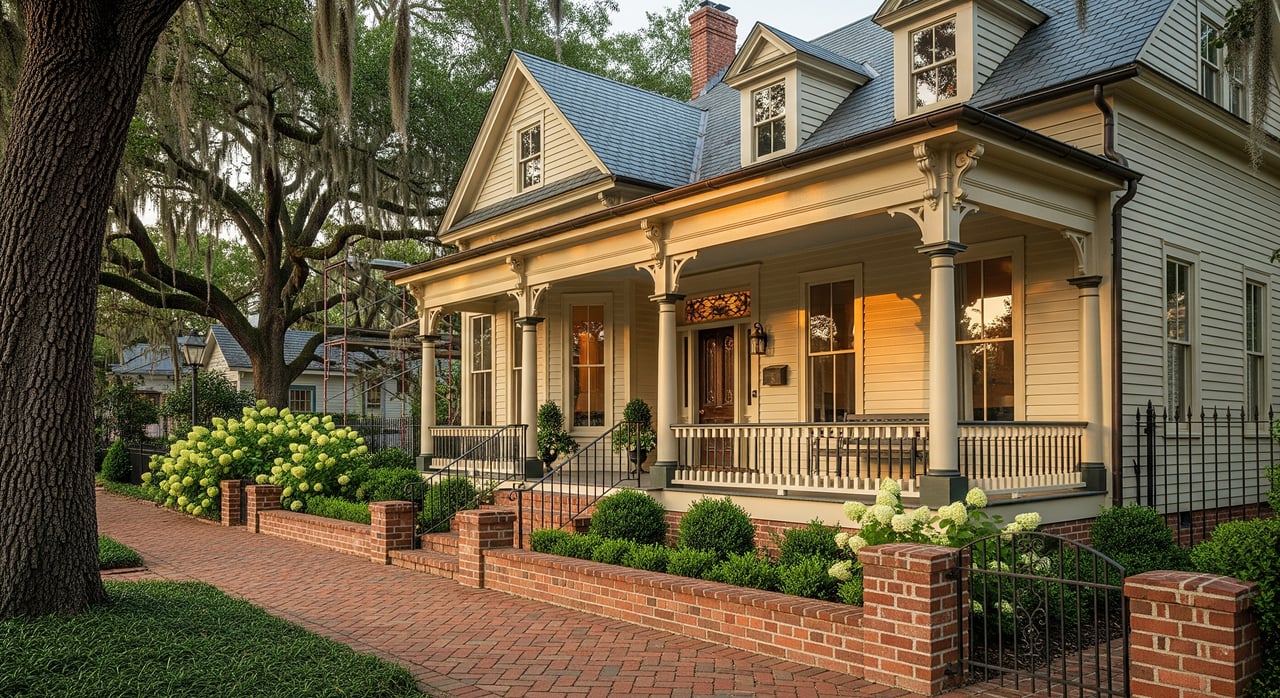
Planning to replace windows, build a porch, or add solar to a home in one of Decatur’s historic districts? If so, you may need a Certificate of Appropriateness before you lift a hammer. It can feel like one more hurdle when you just want to improve your property. This guide breaks down when a CoA is required, how the review works, what reviewers look for, and how to avoid costly delays or rework. Let’s dive in.
What a CoA is in Decatur
A Certificate of Appropriateness, or CoA, is the official approval for exterior work in Decatur’s five local historic districts. The city’s Historic Preservation Commission and staff use it to confirm that proposed changes are compatible with district character while still allowing reasonable use and maintenance.
Local designation triggers the requirement. National Register listing by itself does not control what you can do, but Decatur’s local historic district status and ordinance do.
When you need a CoA
You typically need a CoA for exterior changes that are visible from the public right of way. Common triggers include:
- New construction or infill homes
- Additions that change massing, rooflines, or setbacks visible from the street
- Demolition or relocation of a building or a substantial portion of it
- Changes to primary facades, including porches, doors, windows, and siding
- Visible replacement or alteration of materials, such as roofing, siding, or trim
- Freestanding structures visible from the street, like fences, retaining walls, or garages
- Exterior mechanical equipment or solar panels if visible from the street
If your project changes what passersby see from the street, plan on a review.
What may be exempt or administrative
Some work is often exempt from full Commission review or may qualify for administrative approval by staff:
- Routine maintenance and in-kind repairs that do not change design, materials, or appearance
- Interior renovations that do not affect exterior character
- Minor work not visible from the street, such as interior HVAC changes or non-visible structural repairs
- Paint color policies vary by jurisdiction; confirm Decatur’s current approach with staff
Always check with preservation staff before starting. A quick call can confirm whether a CoA is needed or if staff can approve it administratively.
How the CoA process works
Start with staff early
Reach out to Decatur’s historic preservation staff before you finalize plans or hire a contractor. A short pre-application conversation can flag potential issues, confirm whether a CoA is required, and tell you if your project is eligible for administrative approval.
Prepare a complete application
A thorough packet speeds up review. Typical submittals include:
- Completed application form
- Clear photos of all sides of the property and areas of proposed work
- Scaled site plan and exterior elevations
- Material specifications and samples, including brand, profile, and color when relevant
- A concise narrative describing the scope and how it meets the city’s guidelines
- Historic photos or documentation if you are restoring original features
- Application fee per the current city schedule
Organize your materials so reviewers can see existing conditions, what will change, and how the result stays compatible.
Choose the review path
- Administrative approval: Staff can approve minor, routine, or like-for-like repairs that match existing conditions.
- Full Commission review: The Historic Preservation Commission reviews substantial changes or anything outside staff authority at a scheduled public meeting.
- Conceptual review: Larger projects often benefit from an early, conceptual presentation. You get feedback first, then return for final approval with detailed drawings and material specifics.
Understand meeting basics and timing
The city sets filing deadlines ahead of each Commission meeting. In many places, applications are due 2 to 4 weeks before the meeting, so confirm Decatur’s current schedule with staff. After you apply, staff prepares a report with a recommendation to approve, approve with conditions, or deny.
At the public meeting, you present your proposal, staff presents its report, the public may comment, and the Commission deliberates and votes. A written decision or meeting minutes will document findings and any conditions of approval.
After your decision
If approved, read any conditions carefully. You must follow those conditions as you build. Save the approval letter and final drawings for your records and for building permit coordination. If denied, staff can explain options for revising and resubmitting, or how to pursue an appeal under the city’s ordinance. Do not start visible exterior work without an approved CoA.
What reviewers look for
Core compatibility factors
Decisions rely on Decatur’s design guidelines and preservation ordinance. Reviewers often use the Secretary of the Interior’s Standards as guiding principles. They focus on:
- Historic character: Protecting character-defining features and the district’s overall feel
- Design compatibility: Massing, scale, proportion, setback, and rhythm along the street
- Materials and details: Traditional materials or high-quality substitutes with matching profiles and dimensions
- Fenestration: Placement, size, rhythm, and type of windows and doors
- Roof form and materials: Shape, pitch, and visible roofing that affect the silhouette
- Porches and entries: Preserving original porches and entry elements
- Visibility: How much is seen from the public right of way
- Reversibility: Minimal intervention and solutions that can be reversed without harm
- Differentiation: New work should be compatible but not a false historical imitation
Common project considerations
- Windows: Repair in place is preferred. If replacement is necessary, maintain size, muntin patterns, material, and profile.
- Siding and trim: Match thickness, profile, and scale of the original. Show samples or profiles.
- Additions and infill: Keep additions secondary to the main facade. Match overall scale and massing.
- Demolition: Expect documentation requirements and possible delays while alternatives are explored.
- Solar and mechanicals: Place them to minimize visibility from public streets.
Commission approvals often include conditions about materials, colors, sample sign-offs, or minor design revisions.
Tips to avoid delays
- Contact staff early: A short pre-submittal conversation can save weeks.
- Tie your narrative to the guidelines: Explain how your design meets Decatur’s standards.
- Favor repair over replacement: Document attempts to repair original features. If replacement is needed, show how the new item matches the original appearance.
- Be specific about materials: Include manufacturer, model, profiles, and color. Avoid vague descriptions like composite siding without details.
- Use historic documentation: Old photos or physical evidence strengthen restoration proposals.
- Consider a phased approach: Get conceptual feedback first on large projects, then return with final details.
- Build a mock-up: A small test area or sample can reassure reviewers about scale and finish.
- Coordinate permits early: Align building permit review with preservation review to avoid conflicting conditions.
Common pitfalls to avoid
- Starting visible work before a CoA is issued
- Submitting unclear drawings or missing material specifications
- Proposing off-scale elements, like window sizes or roof pitches that do not match district patterns
- Ignoring visibility from the street on side or rear elevations
- Overlooking Commission conditions in your construction documents
Noncompliance can lead to stop-work orders, fines, or orders to remove or restore unapproved work.
Real-world scenarios
Here are typical examples of how projects are treated in many local programs and commonly in Decatur:
- Re-roofing with the same shingle material and color on a rear slope not visible from the street: Often administrative or exempt
- Changing the color or profile of front-facing shingles: Likely needs a CoA
- Repairing porch columns in-kind with matching dimensions and profiles: Often administrative
- Replacing original wood windows on the primary facade with vinyl units: Likely full Commission review and often discouraged
- Building a new street-visible garage or changing setbacks: Commission review as new construction
- Demolishing a contributing building: Requires a CoA and is subject to demolition review or delay provisions
Your exact path depends on Decatur’s ordinance and staff determinations, so verify before you apply.
Buyer and seller takeaways in Decatur
If you are buying in a Decatur local historic district, factor the CoA timeline into your plans for renovations or additions. Add due diligence time to consult staff, sketch a compliant approach, and confirm visibility issues before you schedule contractors.
If you are selling, be cautious about last-minute exterior changes to boost curb appeal. Even small visible changes can require approval. Verify what is allowed, then plan improvements that support both marketability and compliance.
As a buyer-focused brokerage, we help you understand neighborhood-level rules, plan a realistic timeline, and make confident decisions about historic properties in Decatur and greater DeKalb County.
Next steps
- Confirm your property’s local historic district status.
- Call Decatur’s preservation staff to verify current deadlines, application requirements, and whether your project qualifies for administrative approval.
- Assemble a complete packet: photos, scaled drawings, material specs, and a clear narrative.
- If your project is large, request conceptual feedback before final review.
Ready to explore Decatur homes, including historic-district opportunities, with a plan for approvals and timelines? Start Your Home Search with Tiffany at Vision To Realty.
FAQs
What is a Certificate of Appropriateness in Decatur?
- A CoA is the city’s approval for exterior changes in Decatur’s local historic districts to ensure work is compatible with the district’s character.
How long does a Decatur CoA approval take?
- Administrative approvals can take days to weeks, while Commission reviews happen at scheduled meetings; confirm current deadlines and meeting dates with city staff.
Do I need a CoA to replace windows in a Decatur historic district?
- Window changes on primary facades usually trigger review, with repair preferred; if replacement is proposed, it must closely match size, pattern, material, and profile.
Who reviews CoA applications in Decatur?
- City preservation staff handle administrative approvals, and the Historic Preservation Commission reviews projects that require a public hearing.
Are interior renovations reviewed in Decatur’s historic districts?
- Interior work is typically not reviewed unless it affects exterior character; confirm specifics with staff for your project.
What happens if I start work without a CoA in Decatur?
- You risk stop-work orders, fines, and required removal or restoration of unapproved work, which can be costly and time-consuming.
Are paint colors reviewed in Decatur’s historic districts?
- Policies vary by jurisdiction; check Decatur’s current guidelines and staff for whether paint color review applies to your property and scope.